Source: Link Testing Instruments Co.,Ltd.
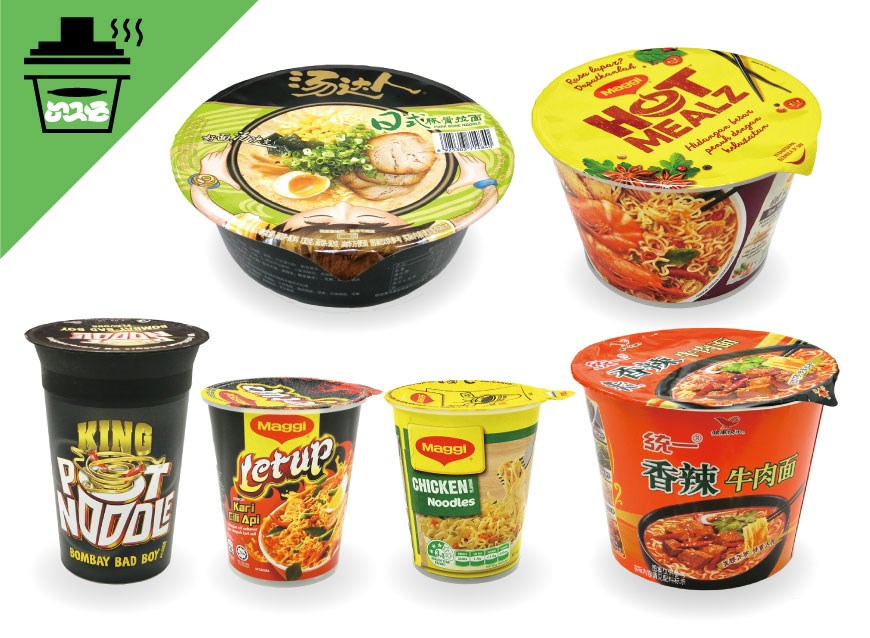
Instant noodles, being a high-fat food, require packaging with excellent sealing properties to ensure proper control of acid value and shelf-life safety. GB/T 15171 "Test Methods for Sealing Performance of Flexible Packaging" provides standardized testing guidelines for the industry, with the negative pressure method (vacuum decay principle) being a core method for instant noodle packaging seal testing. Link Testing, in conjunction with the standard requirements, analyzes the key points of instant noodle packaging seal integrity testing:
I. Core Changes in the Standard
Expanded Scope of Application
The new standard (GB/T 15171-2025) covers flexible, semi-rigid, and rigid packaging, replacing the limitations of the 1994 version which only addressed flexible packaging. It is particularly suitable for diverse packaging forms such as instant noodle composite films and aluminum-plastic bags.
Addition of Vacuum Decay Method
The introduction of the vacuum decay method, based on high-precision pressure sensors, quantifies sealing performance by measuring the "vacuum decay rate" (Pa/s), addressing the shortcomings of traditional visual methods which are subjective and yield inconsistent results.
II. Detailed Explanation of Test Methods
Principle: The packaging is immersed in water and subjected to vacuum, and the presence of bubbles or water leakage is observed.
Applicable Scenarios: Instant noodle packaging with an outer layer made of water-resistant materials (such as PE, PP).
Operating Procedures:
Place the sample in the vacuum chamber and inject test water (clean, transparent, non-distilled water).
Evacuate the chamber to the set value (e.g., 20kPa~90kPa), and maintain the pressure for 30-60 seconds.
Judgment criteria: No continuous bubbles and no water leakage after opening, indicating a successful seal.
Principle: Quantify sealing performance by monitoring pressure changes in the vacuum chamber.
Applicable scenarios: Instant noodle packaging requiring high-precision testing (e.g., multi-layer composite film, irregularly shaped bags).
Operating Procedures:
Place the sample in the test chamber and evacuate to the target value.
Use a pressure sensor to record the vacuum decay rate (Q = (P1 - P2)/T).
Judgment criteria: If the decay rate is below the limit (e.g., 0.1 Pa/s), the seal is considered successful.
III. Recommended Testing Equipment
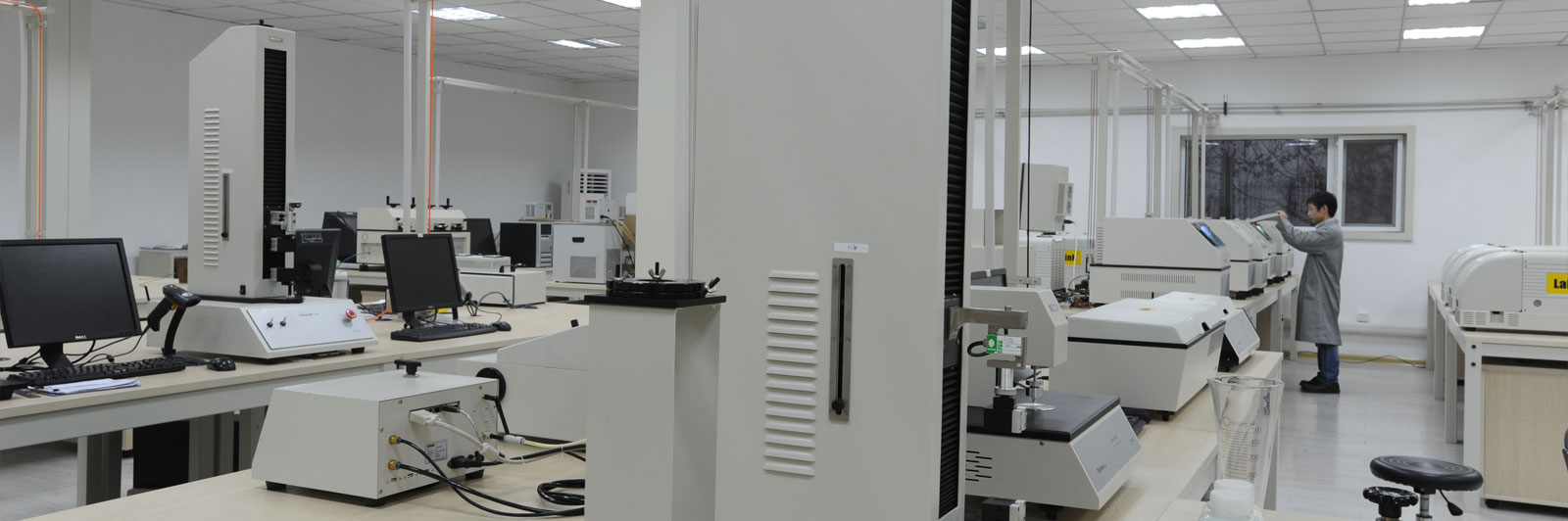
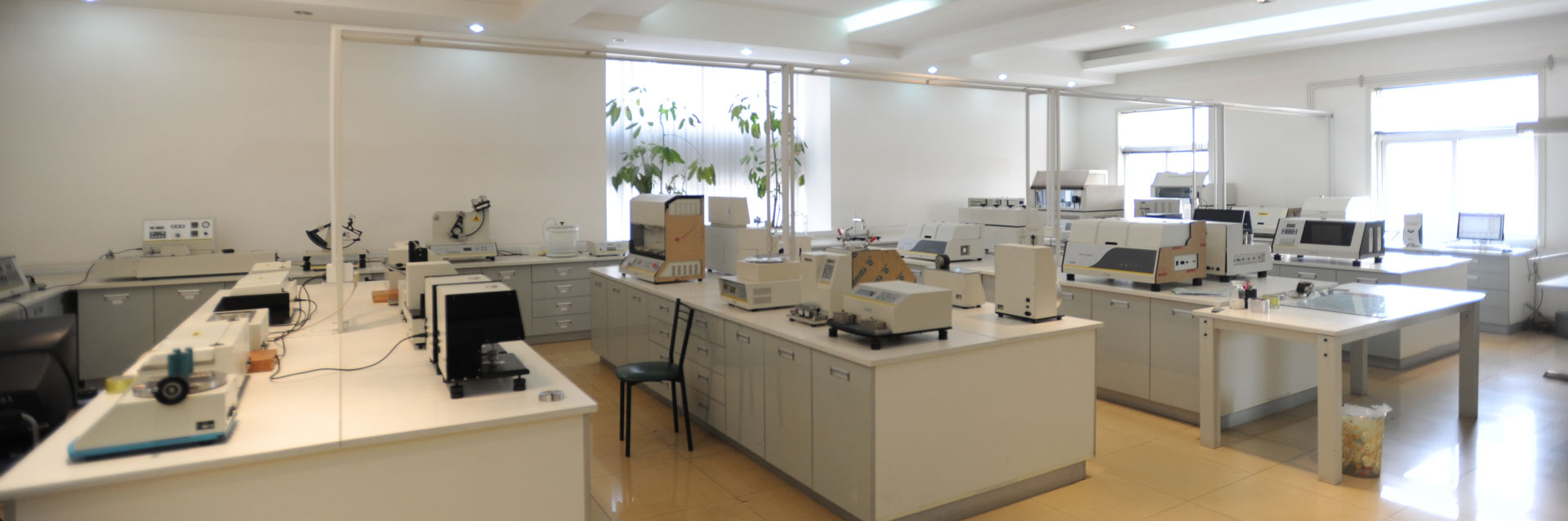
Link Testing Instruments Co.,Ltd., as a packaging testing equipment service provider, offers sealing performance testing equipment that complies with the GB/T 15171 standard:
Equipment selection: LTY-01 Leak Tester
Features:
Supports both underwater bubble method and vacuum decay method testing.
Vacuum degree adjustment range: 0.01~90 kPa, precisely adapted to the needs of instant noodle packaging.
Automated operation: One-key segmented vacuum, constant pressure maintenance, and real-time data recording.
Advantages:
Transparent vacuum chamber design for easy observation of bubble generation.
Complies with GMP requirements, supporting audit trails and data encryption.
For Vacuum Decay Method,Link Testing recommend LTNDL-V301
Features:
Dual test principle, innovative mechanical design
Scientific and rigorous structural design
Equipped with high-precision and high-speed sampling chips to ensure the accuracy
Advantages:
High accurate test method
Fully automatic pneumatic clamping with GMP design
For more details please visit www.linktesting.org