Source: Link Testing Instruments Co.,Ltd.
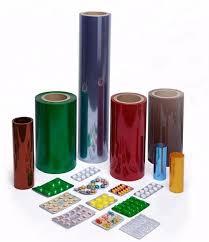
Pharmaceutical-grade PVC rigid sheets are the core material for pharmaceutical blister packaging, and their physical properties directly affect the sealing and stability of the medicine. According to YBB00202005-2015 "Pharmaceutical-grade PVC Rigid Sheets" and related standards such as GB/T 6672-2001, the testing mainly includes key indicators such as thickness, tensile strength, heat seal strength, and moisture permeability.
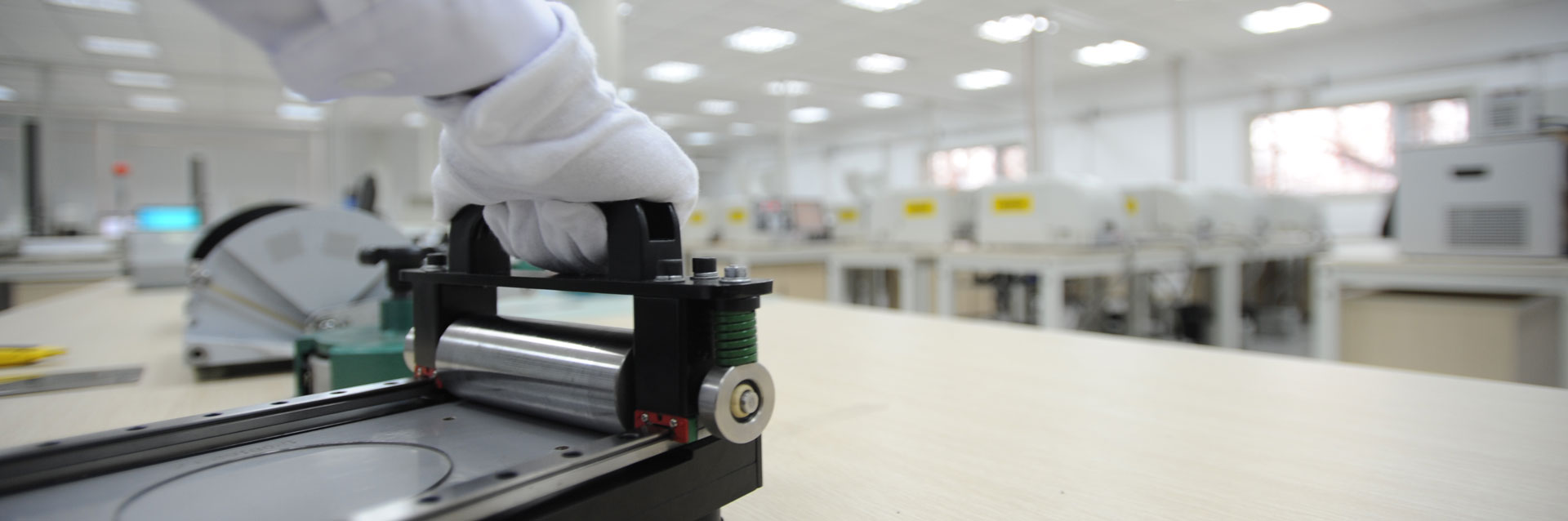
Thickness testing is conducted according to GB/T 6672-2001, using a thickness tester with an accuracy of not less than 0.5 μm. At least five points are evenly selected on the sample for measurement, and the average value is taken. The standard requires that the thickness deviation should be within ±10% to ensure the stability of subsequent heat sealing processes.
Tensile strength and elongation at break tests were performed according to GB/T 1040.3-2006. Dumbbell-shaped specimens were taken and conditioned in a standard environment (23℃±2℃, 50%±5%RH) for 4 hours, then stretched at a speed of 200 mm/min. The maximum force and elongation at break were recorded. The YBB standard has specific requirements for tensile strength to ensure that the material possesses sufficient mechanical strength during molding and transportation.
Heat seal strength testing was conducted according to YBB00132002-2015 and General Chapter 4055 of the Chinese Pharmacopoeia. A heat sealer was used to bond the PVC to aluminum foil under set temperature, pressure, and time conditions. The aluminum foil was then peeled off at 180° using an electronic tensile testing machine at a speed of 200 mm/min. The results are expressed as N/15mm. This indicator reflects the bonding strength between PVC and aluminum foil and is a crucial guarantee for the sealing performance of blister packaging.
According to the YBB00212005-2015 standard, the drop ball impact test for pharmaceutical-grade rigid PVC sheets requires a specimen size of 150mm × 50mm, with 5 specimens in each direction (longitudinal and transverse). The specimens should be conditioned for 4 hours at 23℃±2℃ and 50%±5%RH. A 25mm or 28.6mm steel ball is dropped freely from a height of 600mm to impact the center of the specimen. The judgment criterion is that the number of broken specimens in both the longitudinal and transverse directions must not exceed one, ensuring that the material possesses sufficient impact resistance.
According to YBB00082003-2015 and General Chapter 4007 of the Chinese Pharmacopoeia, the gas permeability test of pharmaceutical-grade PVC rigid sheets adopts the pressure difference method. The samples are pretreated for 48 hours at 23℃±2℃ and 50%RH±5%. When testing oxygen permeability, the pressure difference is 0.1 MPa, and the results are expressed as cm³/(m²·24h·0.1MPa). The standard requires an oxygen permeability ≤30 to ensure that the material has good gas barrier properties for pharmaceuticals.
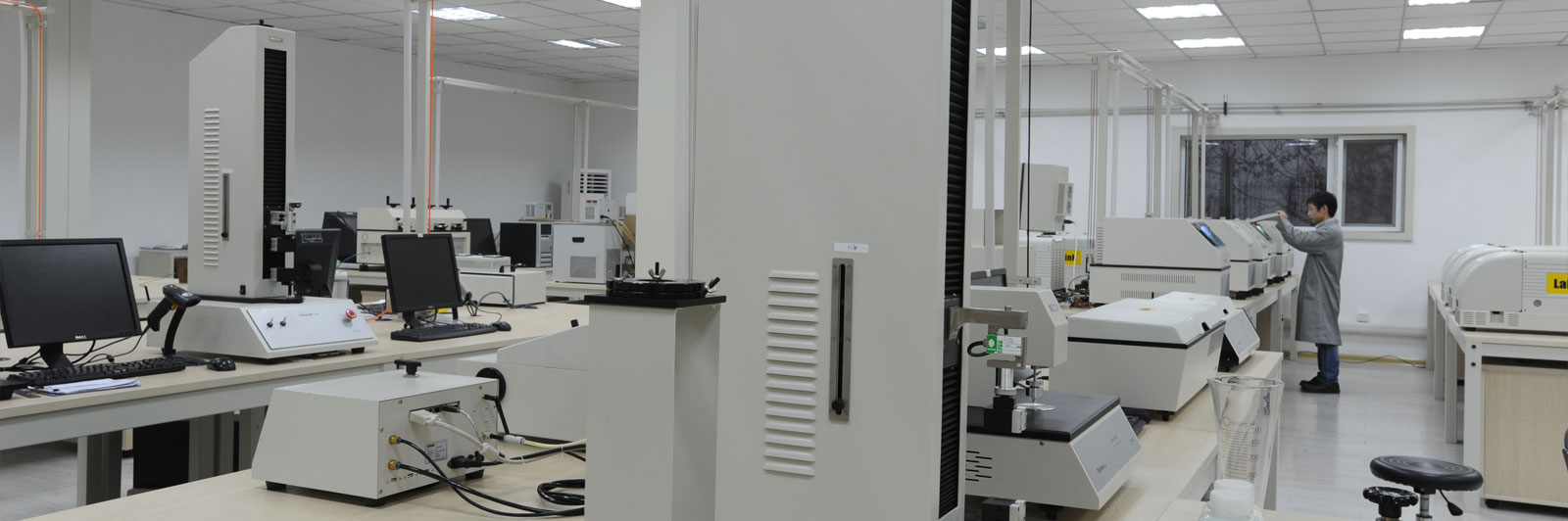
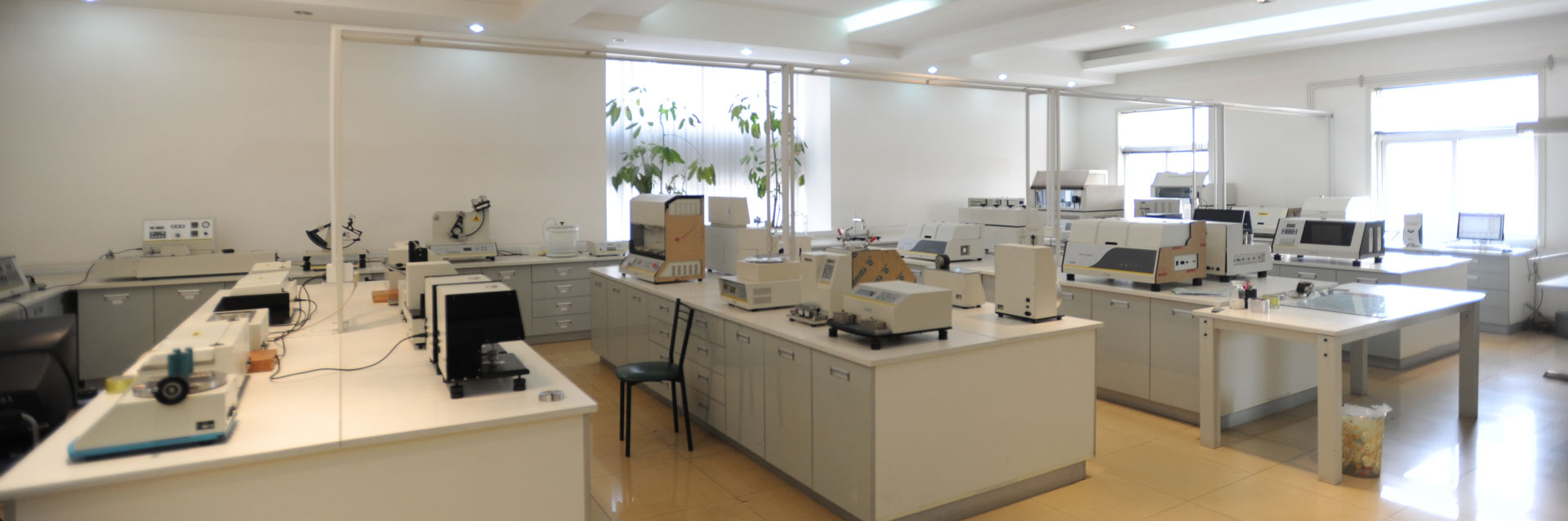
Link Testing offers comprehensive solutions for testing the physical properties of pharmaceutical PVC rigid sheets. Our intelligent electronic tensile testing machines, heat seal testers, thickness gauges, and other equipment meet YBB, GB, and pharmacopoeia standards, enabling precise measurement of tensile, heat-sealing, and peel properties. The equipment supports data recording and analysis, making it suitable for quality control in pharmaceutical packaging material manufacturers, pharmaceutical companies, and third-party testing institutions.
For more details please visit www.linktesting.org