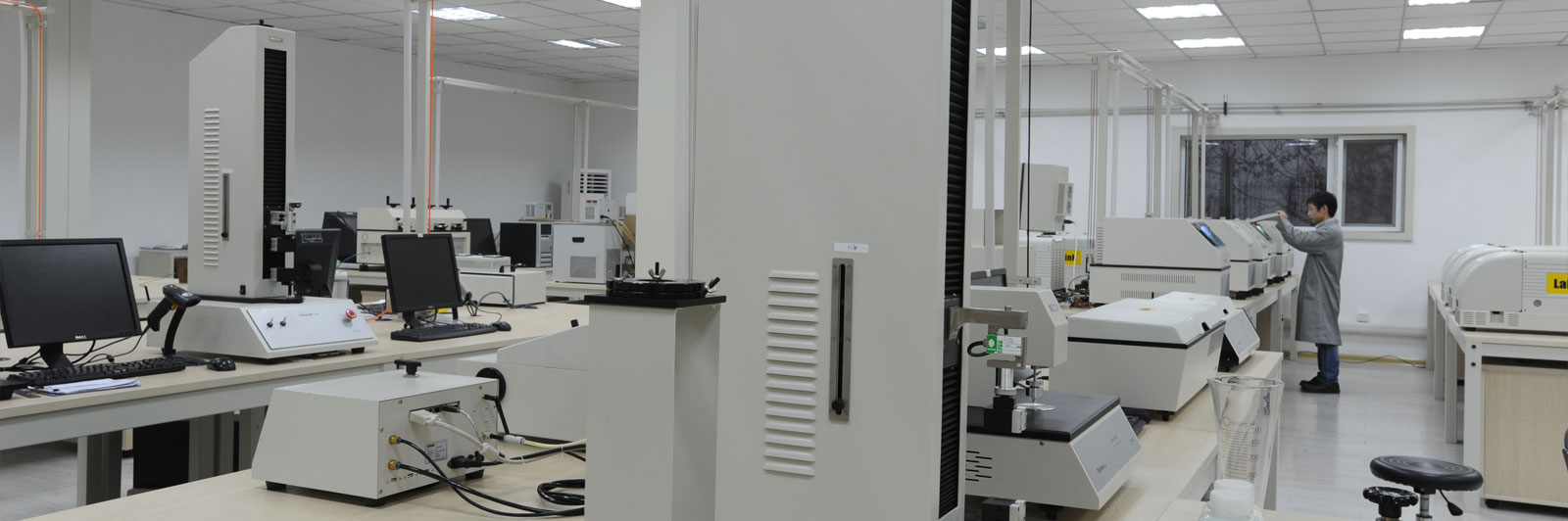
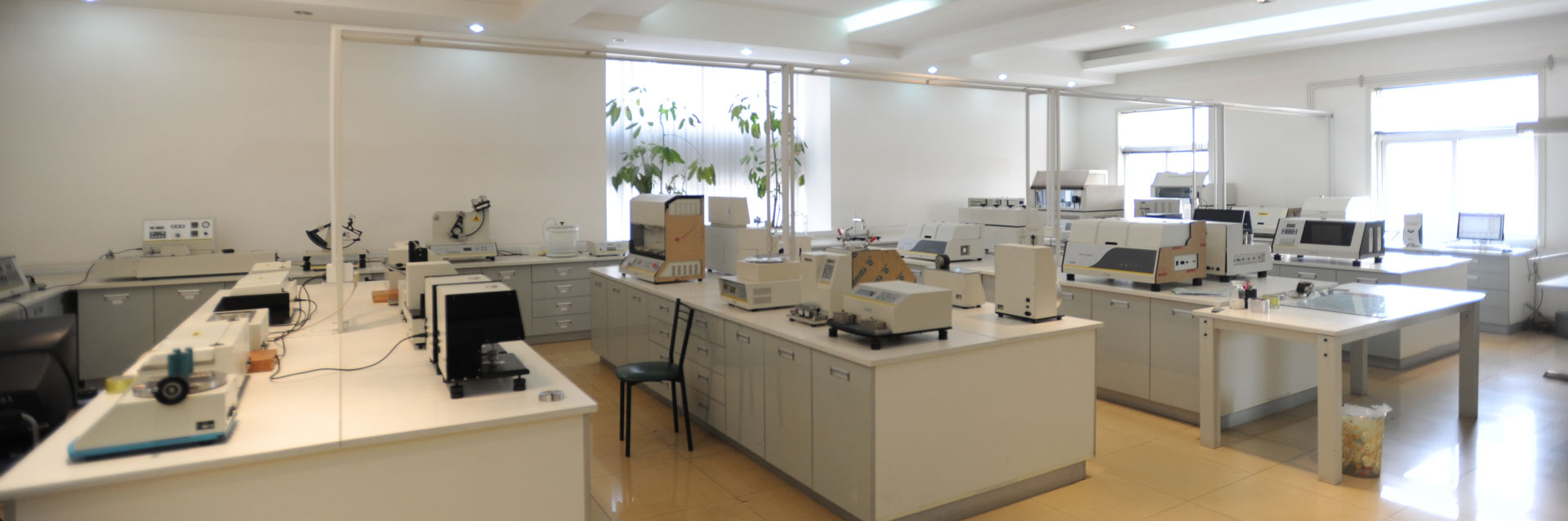
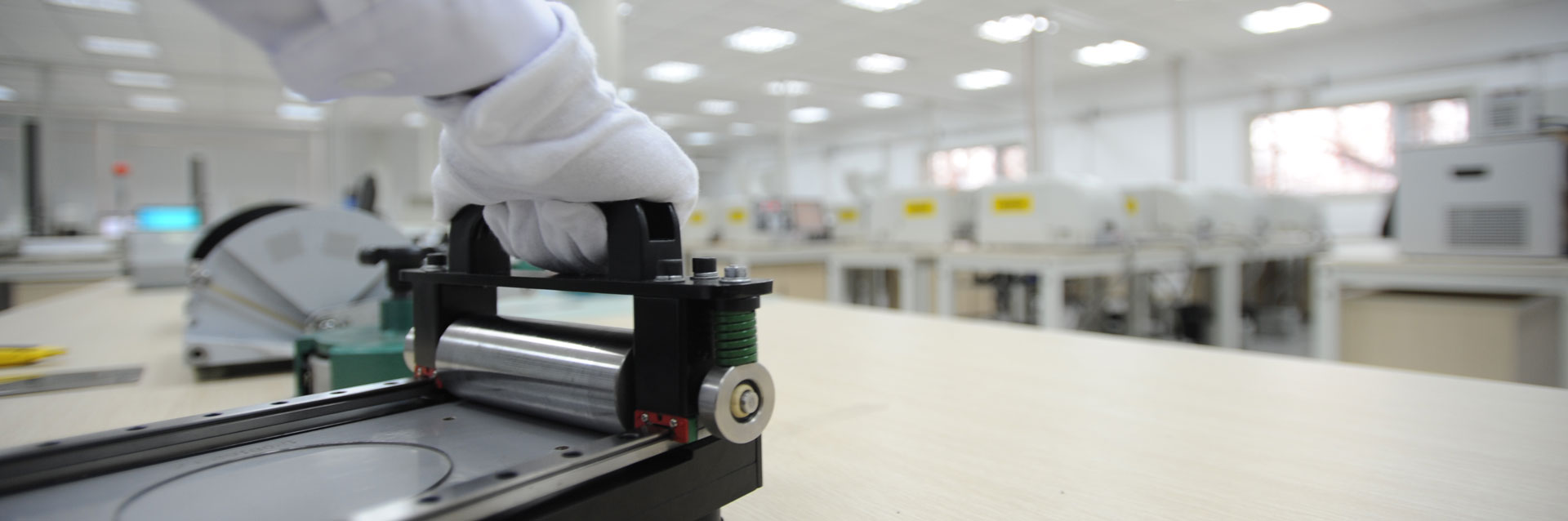
Source: Link Testing Instruments Co.,Ltd.
QB/T 1130-1991, *Test Method for Right-Angle Tear Properties of Plastics*, serves as the core Chinese industry standard for assessing the right-angle tear strength of plastic films and sheets. This standard specifies the test methods for determining the right-angle tear properties of materials such as plastic films and sheets, and is particularly applicable to the quality evaluation of blown polyethylene greenhouse films used in agriculture.
I. Standard Positioning and Scope of Application
This standard is a recommended standard within the light industry sector. It is currently in effect (as of 2025) and explicitly specifies the test methods for determining the right-angle tear properties of plastic films and sheets.
It applies to plastic films and sheets made from materials such as polyethylene (PE) and polypropylene (PP). It is particularly widely utilized in the agricultural sector to assess the tear resistance of greenhouse films.
A tensile load is applied to a specimen using an XLW-500 Intelligent Electronic Tensile Tester, causing the specimen to tear at a pre-cut right-angle notch. The maximum load recorded during the tearing process (the right-angle tear load) is captured, thereby enabling the calculation of the material's right-angle tear strength. This method effectively evaluates a material's resistance to tearing at a point of stress concentration (the right-angle notch).
II. Specimen Requirements
Specimen dimensions: (50 ± 1) mm × (27 ± 1) mm
Depth of right-angle notch: (12 ± 0.5) mm
Specimens must be tested separately in both the machine direction (MD) and the transverse direction (TD).
A minimum of 5 valid specimens is required for each direction.
For ultra-thin materials (thickness < 20 μm), the use of stacked specimen sets is permitted (consisting of 3 sets, with 5 sheets per set); however, it must be explicitly noted that the resulting test data cannot be directly compared with results obtained from single-sheet specimens.
The right-angle notch area of the specimen must be free of any cracks, nicks, or processing marks.
Specimens should be cut from areas avoiding the edges of the packaging bag, weld seams, and similar features.
III. Testing Environment and Equipment Requirements
Temperature: (23 ± 2) °C
Relative Humidity: 50% ± 10%
Conditioning: Specimens must be allowed to condition (rest) in the standard environment for a minimum of 4 hours prior to testing.
XLW-500N Intelligent Electronic Tensile Tester:
Compliant with the requirements of GB 1040.
Tensile Speed: 200 ± 20 mm/min.
Force Measurement Accuracy: ± 1%.
Measurement Range: Select an appropriate range based on the material's characteristics (e.g., 500 N).
IV. Testing Procedure
Cut the specimen in accordance with standard requirements.
Measure the specimen thickness (average thickness at the right-angle notch).
Set the test speed to 200 ± 20 mm/min.
Calibrate the perpendicularity of the grips.
Secure the specimen within the grips.
Ensure that the gripping length is ≤ 22 mm and that the direction of force application is perpendicular.
Start the testing machine and stretch the specimen until tearing occurs.
Record the peak load observed during the tearing process.
Record the maximum tearing force (N).
Save the load-displacement curve.
Right-Angle Tear Strength (kN/m) = Maximum Tearing Load (N) / Specimen Thickness (mm)
Example: If a greenhouse film specimen has a thickness of 85.6 μm (0.0856 mm) and a maximum tearing load of 75 N, then the right-angle tear strength is:
75 N / 0.0856 mm = 875.9 kN/m
V. Advantages of the Link Testing XLW-500NIntelligent Electronic Tensile Tester
Summary:
By strictly adhering to the QB/T 1130-1991 standard, the tear resistance of greenhouse films can be effectively evaluated, thereby providing a reliable basis for material selection in agricultural production.
For more details please visit www.linktesting.org