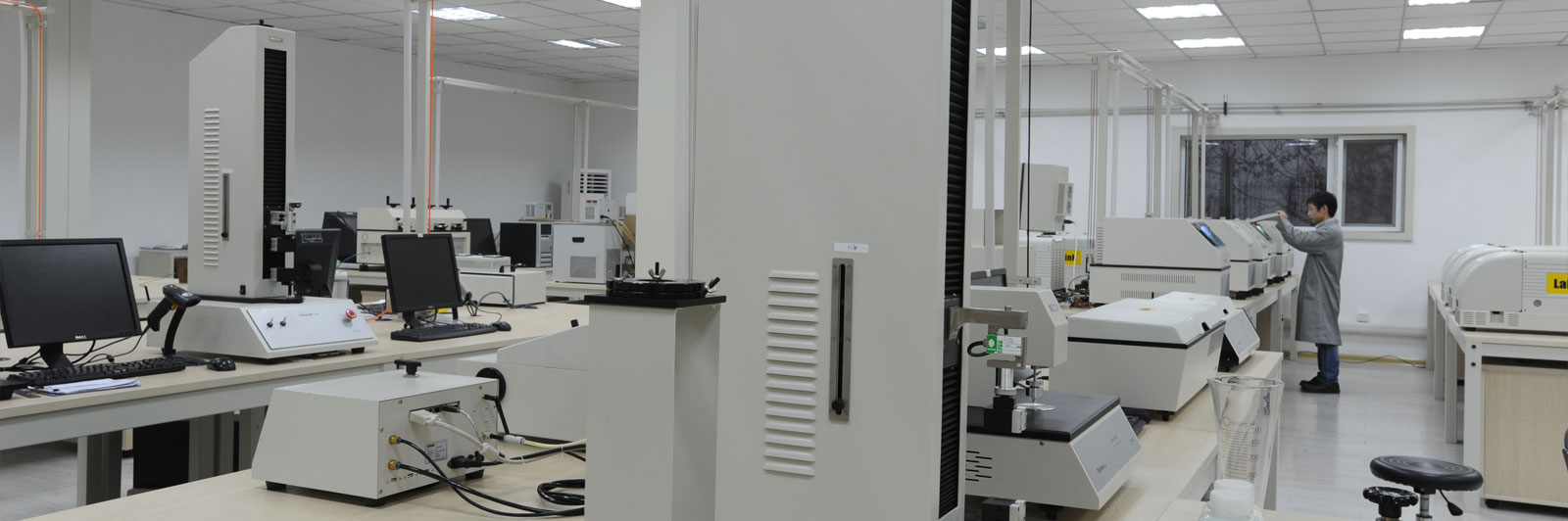


Source: Link Testing Instruments Co.,ltd.
YBB00052005-2015: Halogenated Butyl Rubber Closures for Sterile Powders for Injection serves as the core Chinese standard specifically addressing the self-sealing properties of pharmaceutical rubber closures. Its testing methodology simulates clinical scenarios involving needle puncture for drug administration, thereby verifying the rubber closure's ability to restore its seal integrity following puncture. Link Testing provides an in-depth analysis covering various aspects, including key testing points, operational procedures, and the standard's positioning and scope of application.
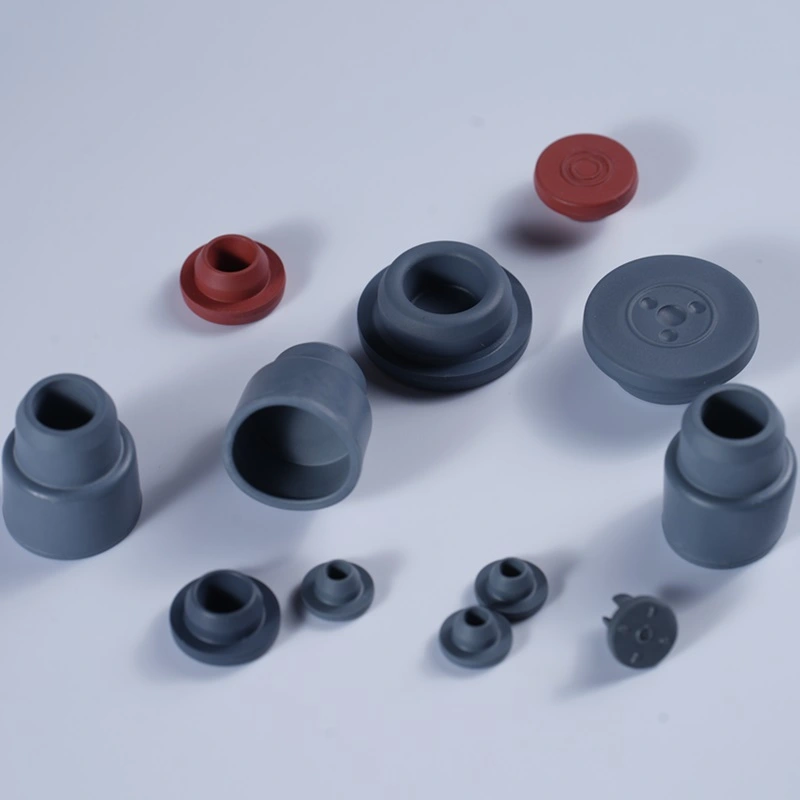
Definition of Self-Sealing: The ability of a rubber closure to automatically close a puncture site—relying on its elastic deformation—after being pierced by an injection needle, thereby preventing the ingress of external microorganisms, liquids, or gases into the vial.
Testing Objective: To ensure that sterile powders remain under the protection of a sterile barrier throughout their storage, transportation, and clinical use, thereby mitigating the risks of drug contamination or leakage caused by seal failure.
Product Type: Applicable exclusively to halogenated butyl rubber closures intended for use with sterile powders for injection (e.g., lyophilized preparations, antibiotics); it is not applicable to closures used for non-sterile preparations, such as oral liquids or ointments.
Packaging System: Testing must be conducted in conjunction with complementary components—such as glass vials (e.g., penicillin vials) and aluminum caps—to accurately simulate the actual packaging state following the crimping process.
Pressure-Differential-Driven Permeation: By establishing a pressure differential between the interior and exterior of the vial through a vacuum-to-atmospheric pressure cycling process, and by leveraging the high permeability of a methylene blue solution, the test detects the presence of any leakage at the puncture site. If the rubber closure's self-sealing capability is insufficient, the methylene blue solution will permeate into the vial, providing a visual basis for determining failure.
Step 1: Sample Pre-treatment
The rubber stoppers must undergo moist heat sterilization at 121°C for 30 minutes to simulate the sterilization conditions encountered during the manufacturing process and to verify their self-sealing performance after sterilization.
Assemble the sterilized rubber stoppers with the vials. Fill the vials with a simulated medium having a density similar to that of sterile powder (e.g., dry talcum powder), and then seal them by crimping the caps.
Step 2: Puncture Operation
Needle Specifications: Use an 18G hypodermic needle (with a bevel angle of 12° ± 2°) that complies with Method 2 of Standard YBB00332004-2015. Puncture the central region of the rubber stopper vertically. The puncture depth should be sufficient to ensure the needle tip completely penetrates the rubber stopper (typically 5 mm ± 1 mm).
Puncture Frequency: Each rubber stopper is to be punctured 3 times, with a spacing of ≥ 3 mm between puncture points, to simulate clinical scenarios involving multiple drug administrations. The needle must be replaced after every 10 punctures to prevent needle tip wear from compromising the accuracy of the test results.
Step 3: Vacuum Seal Integrity Test
Test Environment: Invert the punctured samples and immerse them in a 10% methylene blue solution. Using a high-precision negative-pressure seal integrity tester (e.g., the LTY-01 Leak Tester), apply a vacuum of 25 kPa ± 1 kPa and maintain this pressure for 30 minutes.
Post-Vacuum Observation: Once the vacuum holding period is complete, slowly restore the pressure to atmospheric levels and allow the samples to stand for 30 minutes to ensure sufficient penetration of the methylene blue solution. Remove the samples, rinse the exterior of the vials with clean water, and observe against a white background to check for any infiltration of the blue dye into the interior of the vials.
Pass Standard: No infiltration of the methylene blue solution into the vial interior, or the presence of only a few isolated, minute bubbles (provided there is no continuous stream of bubbles).
Fail Standard: The appearance of a continuous stream of bubbles at the puncture site, obvious infiltration of the dye, or the presence of cracks or permanent deformation in the rubber stopper.
III. Recommended Testing Equipment
The LTY-01 Leak Tester manufactured by Link Testing precisely meets the testing requirements specified in this standard. Key Technical Features:
For more details please visit www.linktesting.org