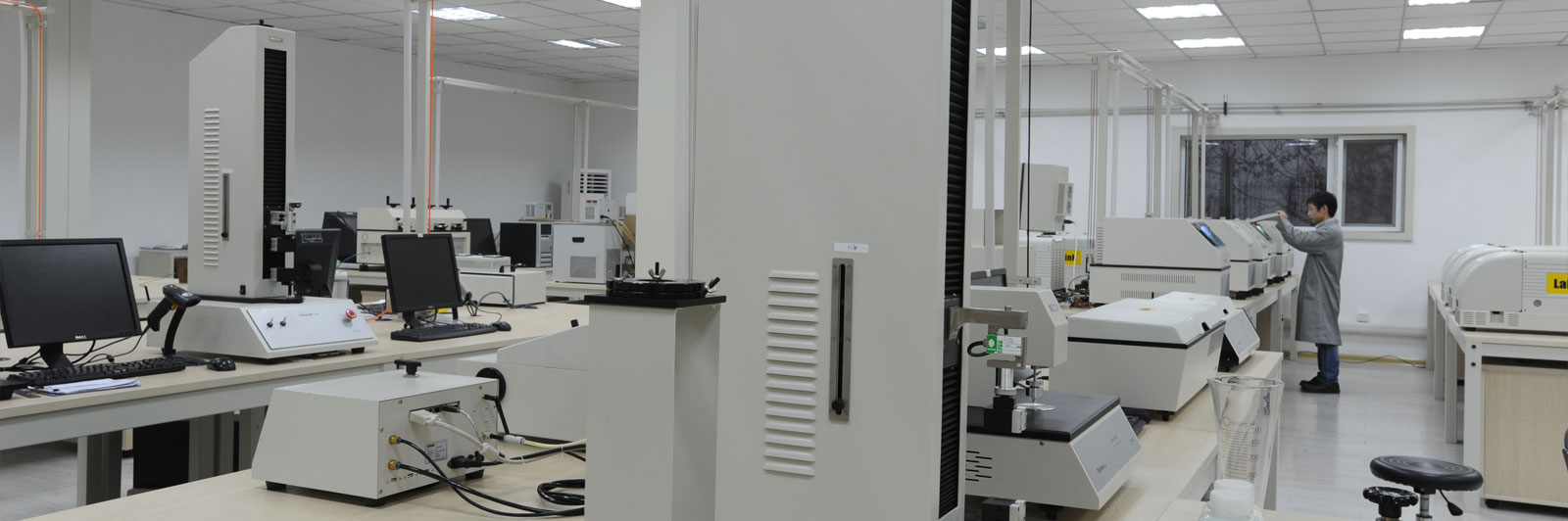
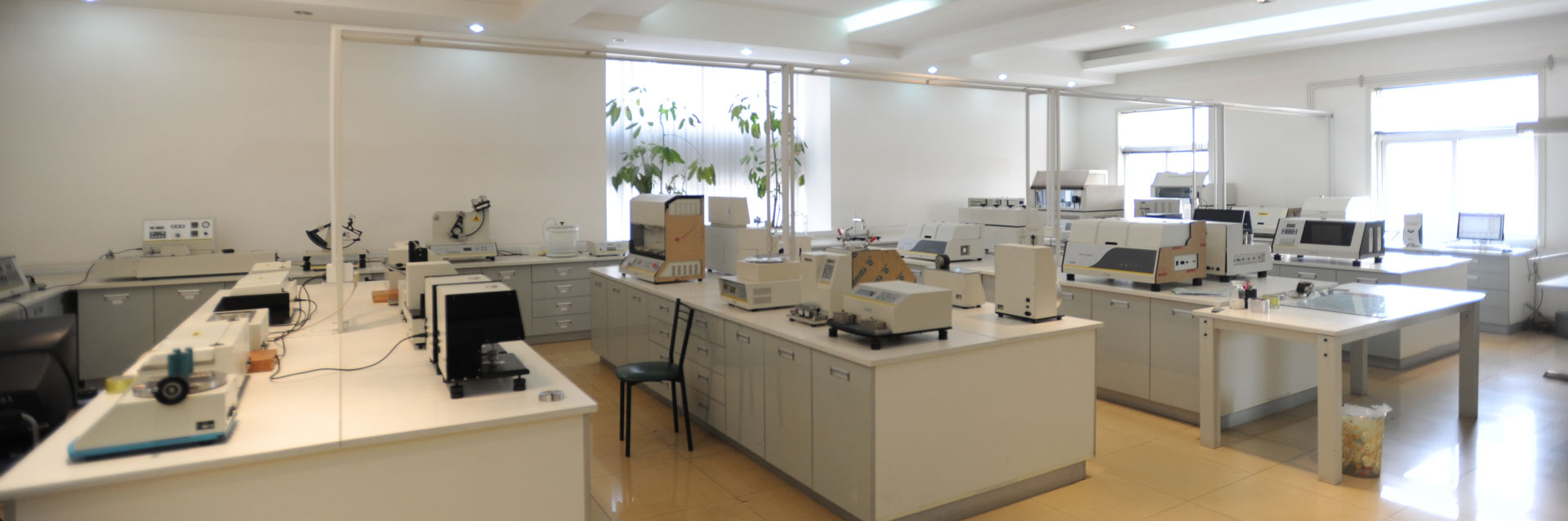
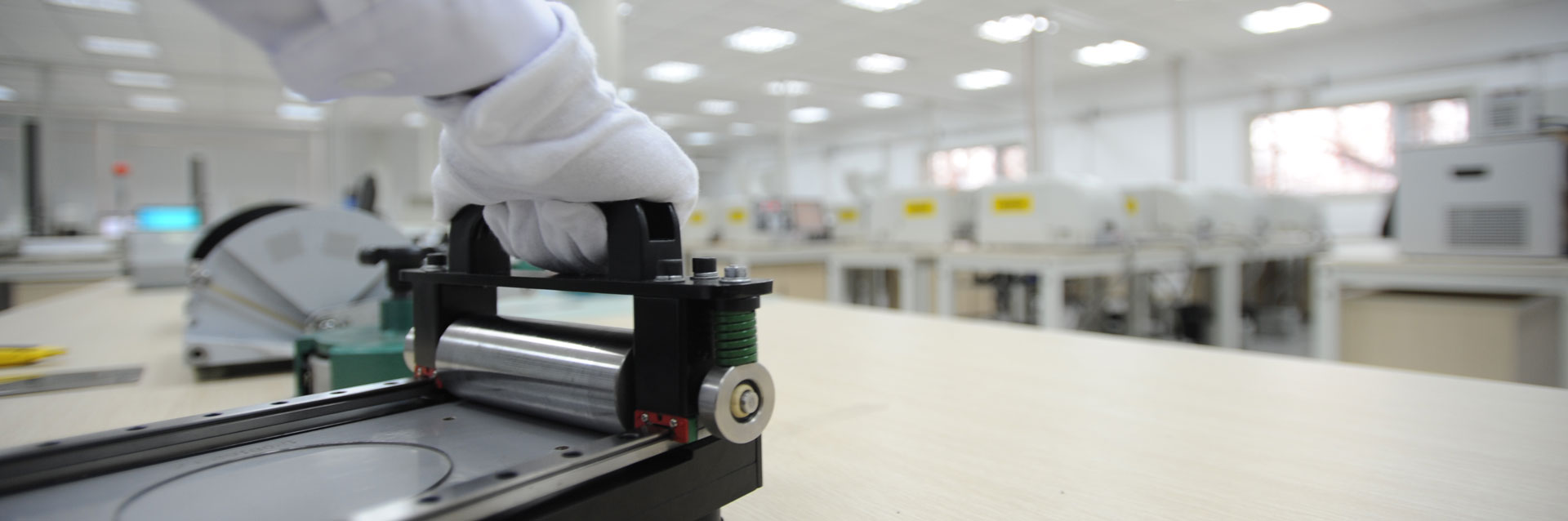
Source: Link Testing Instruments Co.,Ltd.
GB/T 4850-2002, *Determination of Low-Speed Unwinding Strength of Pressure-Sensitive Adhesive Tapes*, serves as a pivotal standard for evaluating the unwinding performance of pressure-sensitive adhesive tapes supplied in roll form without a release liner. By simulating actual usage scenarios, the testing methodology prescribed in this standard provides a scientific basis for product quality control. As a specialized developer of testing instrumentation, Link Testing Instruments offers equipment and services that provide reliable support to enterprises seeking to implement this standard and enhance their product quality. The following section presents a professional interpretation covering the significance of the standard, technical details, key operational points, and practical applications:
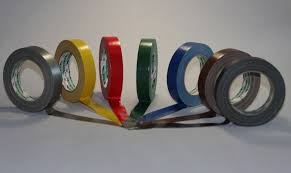
I. Significance of the Standard
The determination of low-speed unwinding strength is of paramount importance in ensuring the performance of adhesive tapes during actual application. This standard establishes a scientific and standardized testing methodology for assessing the low-speed unwinding characteristics of pressure-sensitive adhesive tapes supplied in rolls without a release liner, thereby providing a reliable foundation for product quality evaluation.
II. Analysis of the Standard's Core Content
This standard applies to the determination of the low-speed unwinding strength of pressure-sensitive adhesive tapes supplied in roll form without a release liner. In practical applications, such adhesive tapes are widely utilized across diverse sectors—including packaging, electronics, medical devices, and printing—where their unwinding performance directly impacts the operational efficiency and reliability of products within automated production lines.
The determination principle outlined in the standard is clear and explicit: a specimen of the adhesive tape is mounted onto a freely rotating unwinding fixture, which is then positioned on a constant-speed testing machine. As the testing machine's fixture moves at a specified rate of (300 ± 30) mm/min, approximately 150 mm of the adhesive tape specimen is unwound; the maximum load recorded during this process constitutes the adhesive tape's unwinding strength, expressed in units of N/mm.
Significance of the Principle: This testing methodology closely simulates the actual scenario in which adhesive tape is unwound from a roll during practical use. It provides a direct and accurate reflection of the tape's performance characteristics during the unwinding process, thereby offering a reliable basis for comprehensive product quality assessment. 3. Detailed Equipment Requirements
(1) Testing Machine Requirements:
The unwinding load shall fall within the range of 20% to 80% of the testing machine's full-scale load. This test adopts the automatic tensile tester XLW-500N from Link Testing Instruments Co.,Ltd.
Force value indication error: ≤ 1% (to ensure testing accuracy).
Gripper travel speed: (300 ± 30). mm/min
Equipped with a plotting device for automatic load recording
(2) Unwinding Fixture Requirements:
The rotational force generated by the shaft of the conical chuck shall be < 0.2 N.
Rotational Force Verification Method: Assemble and suspend the fixture. Use a small strip of adhesive tape to secure a hair-thin filament to the center of the shaft. After winding the filament tightly around the shaft several times, suspend a 20 g weight from it; if the weight is able to drive the shaft to rotate, the fixture meets the requirements.
(3) Measuring Instrument Requirements:
Vernier caliper, with a minimum graduation value of ≤ 0.05 mm.
(1) Test Specimen Requirements:
Width: ≤ 80 mm
Free from obvious deformation or damage.
(2) Environmental Conditions:
Temperature: (23 ± 2) °C
Relative Humidity: (50 ± 10)%
(3) Test Specimen Pre-treatment:
Requirement for Temperature Only: Condition the specimen under the specified conditions for at least 2 hours.
Requirements for Both Temperature and Humidity: Condition the specimen under the specified conditions for at least 24 hours.
(1) Width Measurement: Measure the width of the test specimen at three approximately equidistant points and calculate the arithmetic mean.
(2) Pre-treatment: Remove the outermost 3 to 6 layers of adhesive tape from the specimen roll (to prevent potential quality issues in the outer layers from affecting the test results).
(3) Specimen Mounting: Secure the shaft assembly of the unwinding fixture within the grips of the testing machine. Mount the test specimen (tape roll) onto the shaft, then tighten the conical chucks from both sides to ensure the specimen is firmly clamped in the center of the shaft.
(4) Test Preparation: Manually peel approximately 200 mm of adhesive tape from the specimen roll and secure the free end within the upper grip of the testing machine.
(5) Formal Testing: Start the testing machine and unwind approximately 150 mm of adhesive tape at a rate of (300 ± 30) mm/min. Record any abnormal phenomena observed (e.g., adhesive migration, tearing, or substrate delamination).
(6) Repetition: Repeat the test on 5 separate specimens, and record the average and maximum values of the unwinding strength.
Unwinding Strength Calculation Formula: J = F/b
J: Peel strength, N/mm
F: Peeling load, N
b: Specimen width, mm
III. Application Scenarios
**Medical Field:** The unwinding force of medical dressings must be moderate to prevent skin irritation or accidental detachment. For instance, a specific brand of wound dressing optimized its formulation through testing, controlling the unwinding strength to within the range of 0.8–1.2 N/mm, thereby meeting clinical requirements.
**Electronics Industry:** The unwinding force of protective films for electronic components must be compatible with the lamination equipment being used. One company adjusted the coating weight of its release agent based on test results, reducing the unwinding force from 1.5 N/mm to 1.0 N/mm; this successfully eliminated the issue of air bubbles forming during high-speed lamination.
**Packaging Industry:** Carton-sealing tapes require a balance between unwinding force and adhesive strength. A specific test case demonstrated that an unwinding strength within the range of 1.2–1.5 N/mm ensures both ease of opening for the end-user and sufficient structural integrity to prevent the carton from bursting open during transit.
GB/T 4850-2002, *Determination of Low-speed Unwinding Strength of Pressure-sensitive Adhesive Tapes*, serves as a pivotal standard within the system for testing the performance of pressure-sensitive adhesive tapes; it provides a standardized and scientific test method for assessing the low-speed unwinding performance of pressure-sensitive adhesive tapes supplied in roll form without a release liner.
For more details please visit www.linktesting.org
Response within 24 hours · Factory-direct quotation · ASTM / ISO compliant