

The heat-sealed edges of pharmaceutical composite films and blister packs serve as a critical barrier against moisture and oxygen, ensuring the safety of stored medication. In actual production, even when raw materials pass all inspections, fluctuations in the heat-sealing process can still lead to defects such as "false seals" (weak bonds), excessive melting, or incomplete sealing. Any imbalance among the three key parameters—temperature, pressure, and time—can create a hidden risk: a seal that appears intact but lacks sufficient bond strength, potentially leading to package opening, powder leakage, or moisture-induced spoilage during subsequent storage and transport.

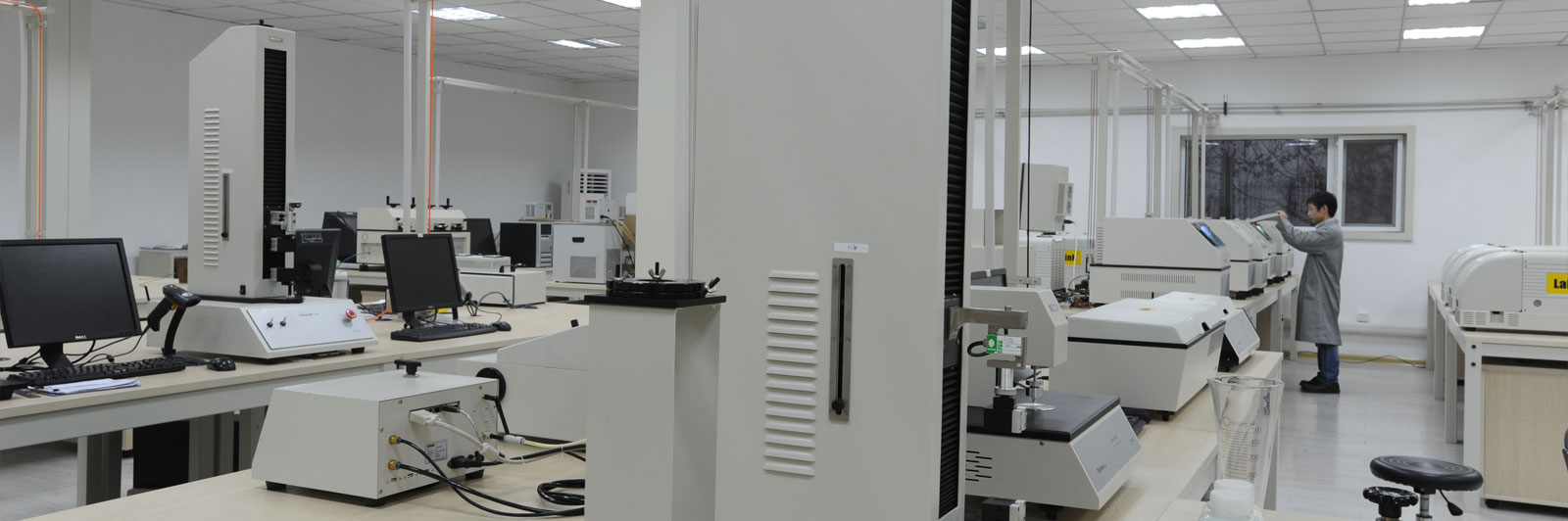
Many pharmaceutical companies perform peel tests directly on finished packaging bags, making it impossible to trace back and identify the optimal process parameters for the production line. Trial-and-error on the production line is costly; if process settings are inaccurate during a batch run, it can result in significant waste of packaging materials. LTH-H3 Heat Seal Tester from Link Testing simulates production-line heat-sealing conditions in a laboratory setting. It allows for the incremental adjustment of temperature, pressure, and time to rapidly pinpoint the ideal process window. This enables the proactive mitigation of quality risks associated with seal failure and provides a standardized testing method for incoming material inspection and equipment process calibration.
I. Heat Seal Failure in Flexible Packaging: Hidden Quality Risks at the Seal
1.1 Two Typical Types of Heat Seal Defects
Heat seal failures primarily fall into two categories: "weak seals" (incomplete seals) and "over-seals" (excessive melting). While their outward appearances differ significantly, both compromise packaging integrity. Weak seals (or "cold seals") occur when the heat-sealing temperature is too low, pressure is insufficient, or dwell time is too short; this results in inadequate melting of the heat-seal layer and insufficient molecular interweaving and fusion. Although the seal may appear intact to the naked eye, the actual bond strength is low, making it prone to delamination or cracking under compression or temperature fluctuations—a common hidden defect in pharmaceutical packaging production. Over-seals (or "over-melting") occur when temperatures are excessively high or pressure is too great, causing the heat-seal layer to melt and squeeze out excessively, while the substrate at the seal edge becomes thin and brittle. Although initial peel strength may be high, seal toughness decreases; the seal becomes susceptible to breakage from vibration or thermal cycling, ultimately leading to packaging failure.
1.2 Why Testing Finished Bags Alone Is Insufficient
Testing finished packaging bags directly yields only the "result" without revealing the root cause of the problem. Since finished bags are the product of an established process, it is difficult to determine whether temperature, pressure, or time triggered the defect. The core value of a heat seal tester lies in its ability to conduct controlled laboratory tests using a single-variable gradient approach. This allows for the independent assessment of how temperature, pressure, and time affect heat seal strength, helping to identify a safe processing window. These parameters can then serve as a reference for bag-making or blister-packaging machines, thereby reducing material waste caused by trial-and-error on the production line.
II. LTH-H3Heat Seal Tester: Simulating Real-World Production Conditions
2.1 Equipment Testing Principle
The LTH-H3 Heat Seal Tester features independently controlled upper and lower heat-sealing heads. Composite film samples are aligned with their heat-seal layers facing each other, and three key parameters—temperature, pressure, and time—are set. The sealing heads descend to perform a brief thermal fusion process. Once sealing is complete, the sample is removed, cooled, and cut into standard strips. These strips are then tested using a tensile tester to measure heat seal strength. This process yields performance data under various conditions, enabling the plotting of heat-sealing curves and the selection of the optimal parameter combination. 2.2 Key Design Advantages
The upper and lower sealing heads feature independent temperature control, allowing for different temperature settings to accommodate diverse pharmaceutical packaging materials such as aluminum-plastic blisters and composite film pouches. High-precision temperature control minimizes testing errors caused by thermal drift. Pressure and time are continuously adjustable, fully covering the standard operating ranges used in pharmaceutical packaging production lines. The device features a touchscreen interface that stores multiple test protocols and allows for the one-touch recall of gradient test parameters. The sealing head surfaces are flat, ensuring uniform pressure distribution and preventing localized weak seals caused by uneven pressure. The equipment is designed in strict accordance with the YBB00192002-2015 standard for pharmaceutical packaging materials; heat-sealed samples can be used directly for heat-seal strength testing, and the resulting data supports incoming material evaluation, process validation, and regulatory registration, while meeting GMP requirements for the retention of raw laboratory records.
III. Common Pitfalls in Heat-Seal Testing
3.1 Do Not Skip Sample Pre-conditioning
Film samples require conditioning in a constant temperature and humidity environment. Samples affected by moisture, wrinkles, dust, or oil contamination will directly compromise the heat-sealing and fusion quality. When sampling, avoid defects at the edges of the roll material; ensure samples are flat and unstretched, and align the heat-sealing layers precisely to avoid misalignment.
3.2 Allow Sufficient Cooling and Resting After Heat Sealing
Immediately after heat sealing, the heat-seal layer has not yet fully crystallized or solidified; performing a peel test right away can result in artificially high heat-seal strength readings. After removal from the sealer, samples must cool and rest in a standard environment for at least 30 minutes before being cut into standard 15 mm strips for peel testing; this ensures the acquisition of accurate and reliable heat-seal strength data.
3.3 Variable Control: Change Only One Parameter at a Time
When exploring process parameters, avoid simultaneously altering temperature, pressure, and time. By keeping two parameters constant and changing only a single variable, you can clearly identify which parameter is responsible for changes in heat-seal strength and rapidly determine the process limits. Simultaneously observe the failure mode after peeling: interfacial delamination typically indicates a "false seal"; tearing of the base material itself signifies adequate heat-seal fusion; and film breakage at the seal edge suggests a risk of over-sealing.
IV. Multi-Scenario Practical Applications
Incoming packaging material inspection: Upon the arrival of a new batch of pharmaceutical composite film, heat-sealing tests are conducted to verify the suitable processing range, thereby preventing defective seals during direct mass production.
Production process optimization: When switching materials on bag-making or blister packaging machines, the laboratory first performs gradient heat-sealing tests to generate reference parameters, reducing the scrap rate during production line setup.
Material R&D and selection: Compare film materials with different heat-seal layer formulations, evaluate initial sealing temperatures and the width of the heat-sealing window, and select the packaging substrate best suited to the product.
Stability verification: Re-test heat-sealing performance after the film material has undergone aging to evaluate the degradation of the heat-seal layer during storage.
Integrated testing recommendations: After preparing heat-sealed samples, use a tensile testing machine to measure seal strength; additionally, integrate seal integrity testing to comprehensively evaluate both the mechanical and sealing performance of the package seal.
For more details please visit www.linktesting.org
Response within 24 hours · Factory-direct quotation · ASTM / ISO compliant