
NEWS

Return list

Pharmacopoeia 2025: Two Methods for Internal Pressure Testing of Pharmaceutical Glass Bottles

Feb 01,2026

Source: Link Testing Instruments Co.,Ltd.

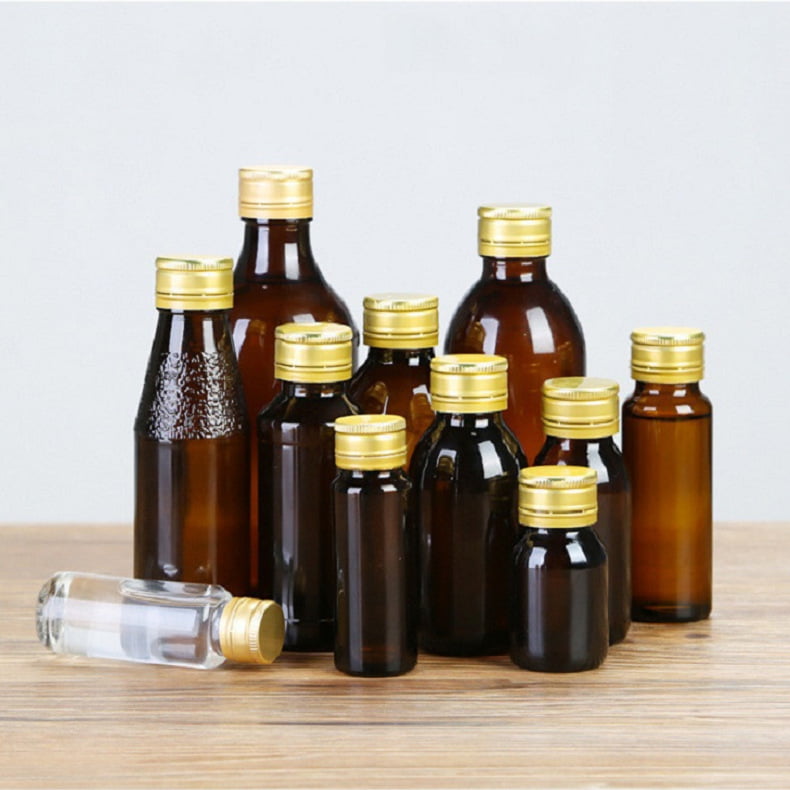
The 2025 edition of the Chinese Pharmacopoeia, Part IV, General Chapter 4017, "Method for Determining the Internal Pressure Resistance of Glass Containers," systematically revises the testing methods for the internal pressure resistance of pharmaceutical glass bottles.  It clearly defines two main technical approaches: the constant pressure method (Method 1) and the constant rate pressure increase method (Method 2), each suitable for different quality control needs. The following details the core technical aspects and application differences of these two methods:
I. Constant Pressure Method (Pressure Holding Test/Non-Destructive Test)


  1. Core Principle: Increase the pressure at a rate of 0.58 MPa/s ± 0.1 MPa/s until the predetermined pressure value is reached and maintained for 60 seconds. Observe whether the test sample ruptures.


  1. Specific Applications:

Pass/Fail Test: Increase the pressure at a rate of 0.58 MPa/s ± 0.1 MPa/s to the predetermined pressure value (e.g., 0.6 MPa), maintain for 60 seconds ± 2 seconds, and observe whether the container ruptures.

Incremental Test: If the container passes the pass/fail test, continue to increase the pressure in increments of 0.1 MPa or 0.2 MPa until the rupture rate reaches 50% or 100%, thereby determining the pressure resistance limit of the container.


  1. Applicable Scenarios:

Full inspection during manufacturing or process control

Quality verification before product registration and market launch

Used to assess the safety of glass containers under normal storage and transportation conditions


  1. Result Judgment: If there is no rupture after maintaining the target pressure for 60 seconds, the product is judged as qualified.

    II. Constant Rate Pressurization Method (Destructive Testing)

    1. Core Principle: Continuously increase the pressure at a rate of 0.58 MPa/s ± 0.1 MPa/s until the glass container ruptures, and record the pressure value at the time of rupture.


    1. Specific Applications:

    Pass/Fail Test: Observe whether the container remains intact at the target pressure value.

    Destructive Test: Continuously increase the pressure until the container ruptures, record the pressure at the time of rupture, and statistically analyze the pressure levels corresponding to the rupture rate.


    1. Applicable Scenarios:

    Material performance evaluation during the R&D phase

    Process validation

    Incoming material sampling inspection

    Providing pressure resistance data for packaging design


    1. Result Determination: Record the pressure value at the time of rupture (burst pressure) to evaluate the ultimate pressure resistance capacity of the glass container.


    III. Key Changes in the 2025 Standard


    1. Increased pressurization rate:  The pressurization rate has been increased from the old version's 0.4 MPa/s ± 0.1 MPa/s to 0.58 MPa/s ± 0.1 MPa/s, more closely reflecting actual filling conditions.
    2. Defined pressure holding time: The pass/fail test requires holding the target pressure for 60 seconds to comprehensively evaluate long-term pressure resistance.
    3. Repeatability requirements: The pressurization rate repeatability is controlled within ±2%, ensuring test stability.
    4. Method completeness: Clearly distinguishes between pass/fail tests, destructive tests, and incremental tests.


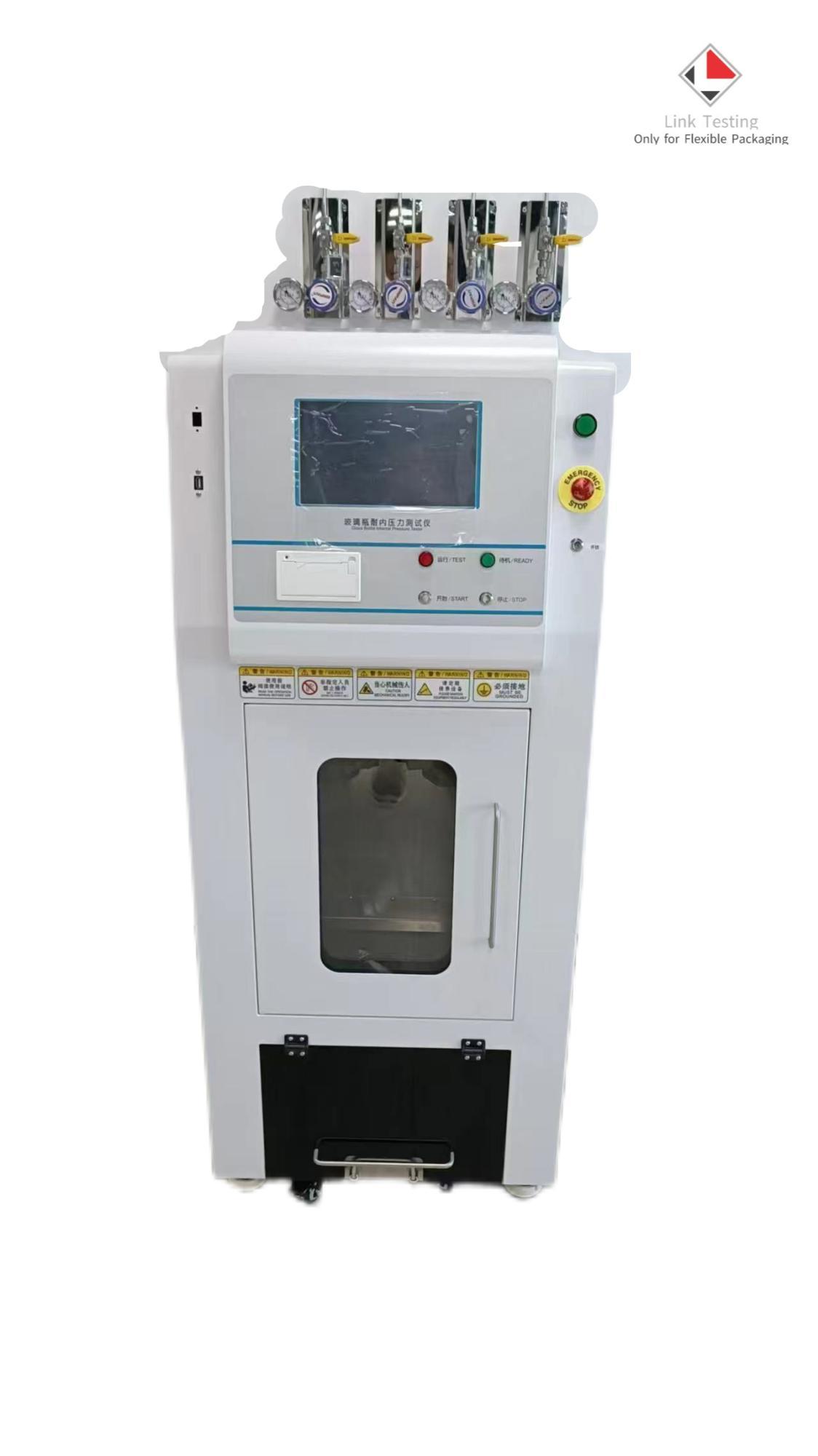
    IV. The LTGPT-02 glass bottle internal pressure testing machine developed by Link TestingInstruments Co.,Ltd.is designed in strict accordance with pharmacopoeia and GB/T 4546-2008 standards, covering all testing needs for pharmaceutical glass bottles:

    LTGPT-02 Bottle Internal Pressure Tester

    1. Precise Control: Servo motor-driven hydraulic system with adjustable pressurization rate of 0.4–0.58 MPa/s, meeting the requirements of the new 0.58 MPa/s standard.
    1. High-Precision Detection: Pressure resolution of 0.0001 MPa and error ≤±0.5%, ensuring data reliability.
    1. Multi-Mode Compatibility: Supports constant pressure holding, constant speed pressurization, and incremental testing, suitable for different specifications of glass bottles (such as vials and infusion bottles).
    1. Safety Protection: Transparent observation window + explosion-proof device to avoid the risk of glass breakage; automatic pressure relief function ensures safe operation.

    For more details please visit www.linktesting.org

    Live Chat