Source: Link Testing Instruments Co.,Ltd.
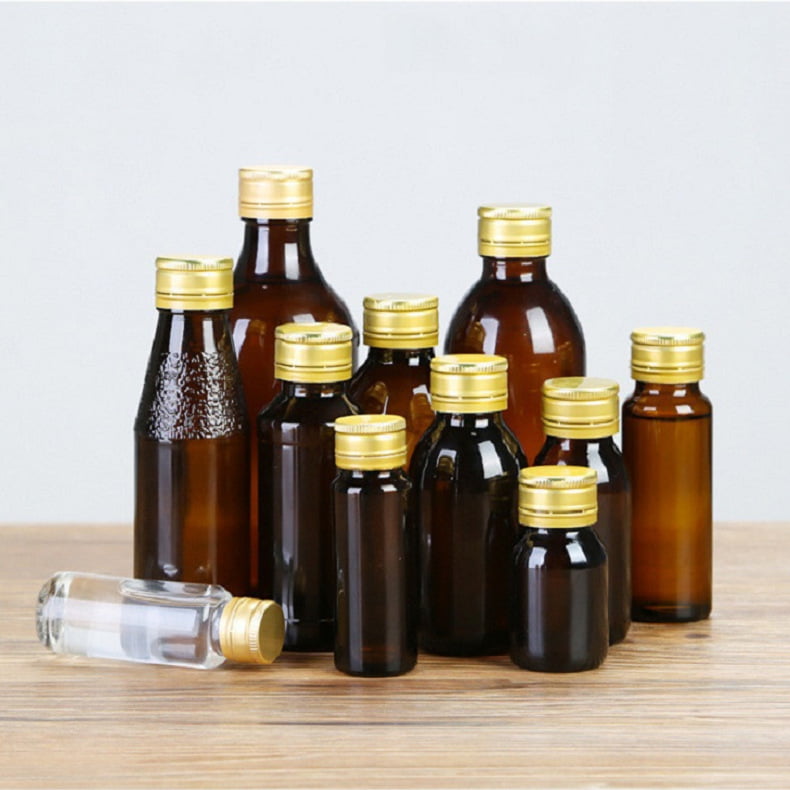
In industries such as pharmaceuticals, consumer glassware, and optical instruments, controlling internal stress in glass products is critical to ensuring quality and safety. Excessive internal stress can lead to breakage during transport, filling, or use, and may even result in serious quality defects.
How can internal stress be tested scientifically and in accordance with standards? Drawing on industry standards and practical testing experience, and outlines the key testing requirements and application solutions for p.
I. Testing Standards: Key References
Polarized-light stress testing operations are primarily based on the following standards:
YBB00162003-2015 "Method for Determination of Internal Stress" (Pharmaceutical Glass Containers)
GB/T 12415 "Test Method for Internal Stress of Pharmaceutical Glass Containers"
GB 4545 "Test Method for Internal Stress of Glass Bottles and Jars"
GB/T 15726 "Test Method for Internal Stress of Glass Instruments"
These standards mandate the use of a polarized-light stress meter to measure the optical path difference in glass products—based on the principle of polarized light interference—thereby determining whether the annealing quality meets specifications.
II. Two Testing Methods for Different Scenarios
Depending on specific testing needs, polarized-light stress meter typically offer two operating modes:
Quantitative Measurement (Compensation Method)
Equipped with a quarter-wave plate, this mode uses the compensation method to precisely measure the internal stress value; it is suitable for generating formal test reports or for detailed analysis during the R&D phase.
Qualitative Measurement (Colorimetric Method)
Equipped with a full-wave plate, this mode allows for the rapid assessment of significant stress by observing the interference color sequence within the polarized field; it is ideal for quick screening on production lines.
III. Key Testing Requirements
To ensure accurate and reliable test results, the following points must be observed during operation:
Instrument Precision: The resolution should reach 0.1 nm, and measurement precision should be better than 2 nm to ensure data reliability.
Field of View and Clearance: A polarization field diameter of at least 150 mm and an adjustable clearance range of over 280 mm are recommended to accommodate glass products of various specifications.
Environment and Operation: Samples must be allowed to stabilize in the laboratory environment for at least 30 minutes to prevent temperature fluctuations from affecting stress distribution; gloves should be worn during operation to avoid heat transfer from the operator's hands.
IV. Recommended Solution: LTYLY-03S Polarizing stress tester
The LTYLY-03S Polarizing stress tester, produced by Link Testing Instruments Co.,Ltd.., is designed to meet the above testing requirements:
Supports both qualitative and quantitative testing modes to meet diverse user needs.
Utilizes a high-precision absolute angle encoder, achieving measurement precision better than 2 nm.
Features a 150 mm polarization field diameter and an adjustable clearance range of up to 280 mm, making it suitable for a wide range of products.
Operated via a high-definition touchscreen; eliminates the need for manual optical path difference calculations and allows for direct data printing.
Equipped with an LED light source featuring adjustable brightness, long service life, and energy efficiency.
This instrument is suitable for detecting internal stress in various glass bottles, jars, tubing, glassware, mobile phone screens, transparent plastic products, and more.
Conclusion
Internal stress testing is a crucial step in ensuring the quality of glass products. Selecting appropriate testing equipment and methods helps enhance product consistency and reduce market risks.
For more details please visit www.linktesting.org
Response within 24 hours · Factory-direct quotation · ASTM / ISO compliant