
Source: Link Testing Instruments Co.,Ltd.
Within food production quality control systems, packaging seal integrity directly impacts the product's shelf life, food safety, and the company's brand reputation. Many food manufacturers frequently encounter a common challenge: while product inspections at the factory exit point show no abnormalities, products distributed to the market may subsequently exhibit symptoms such as bloating, leakage of contents, or mold growth and spoilage. Upon tracing the root cause, it is often found that these issues do not stem from problems with raw materials or production processes, but rather from minute leaks in the packaging that are invisible to the naked eye. For a long time, many food enterprises have relied on the traditional water-soaking visual inspection method for quality control; while this method is simple to operate and requires low investment costs, its limitations are quite pronounced. The water-soaking method can only detect larger ruptures or holes, making it highly prone to missing subtle defects such as incomplete sealing edges, uneven heat sealing, or micro-pores in the film. These hidden defects allow air, moisture, and microorganisms to continuously penetrate the interior of the packaging, leading to food spoilage—resulting in either the scrapping of large batches of finished products in mild cases, or consumer complaints and penalties imposed by market supervision authorities in severe cases, thereby inflicting dual losses upon the enterprise.
As food safety regulations continue to be refined, quality inspection within the food industry is evolving toward standardization, data-driven approaches, and non-destructive testing methods. Legacy inspection methods reliant on manual subjective judgment—which lack quantitative data and cannot retain inspection records—have become inadequate for meeting the requirements of modern factory outgoing quality inspections, customer site visits, and regulatory spot checks. Whether for vacuum-packaged ready-to-eat foods, pre-prepared dishes, nitrogen-filled snacks, or sauce and dairy product manufacturers, establishing a stable, precise, and traceable sealing inspection system is an essential measure for controlling quality risks.
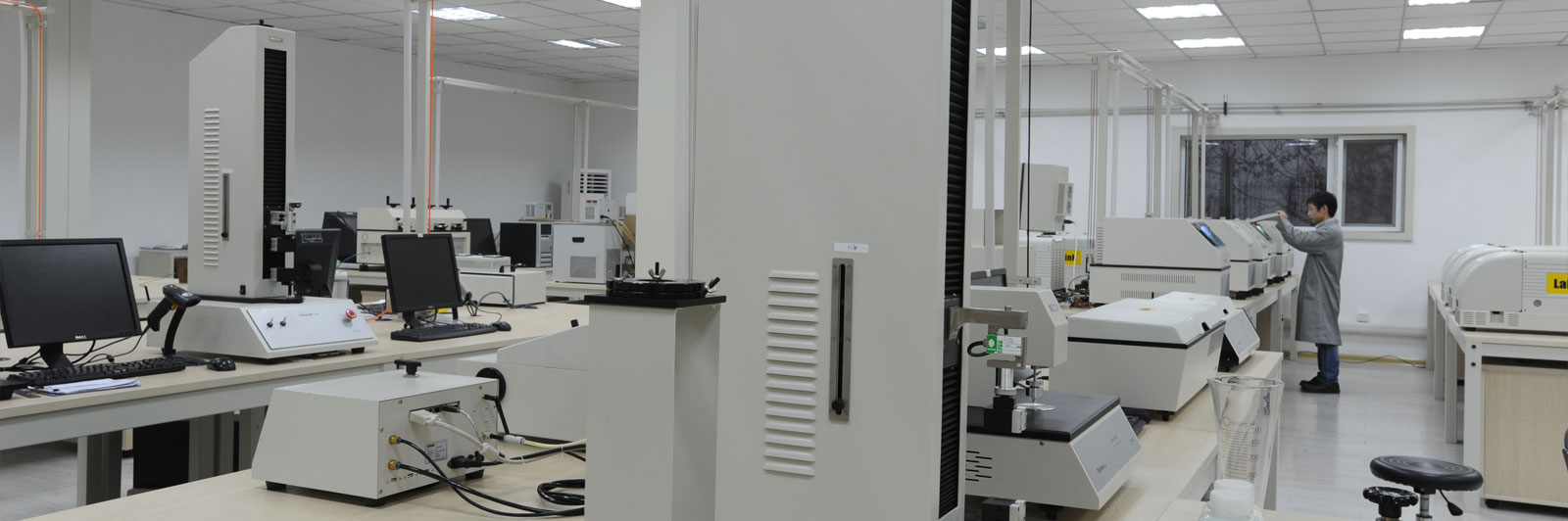
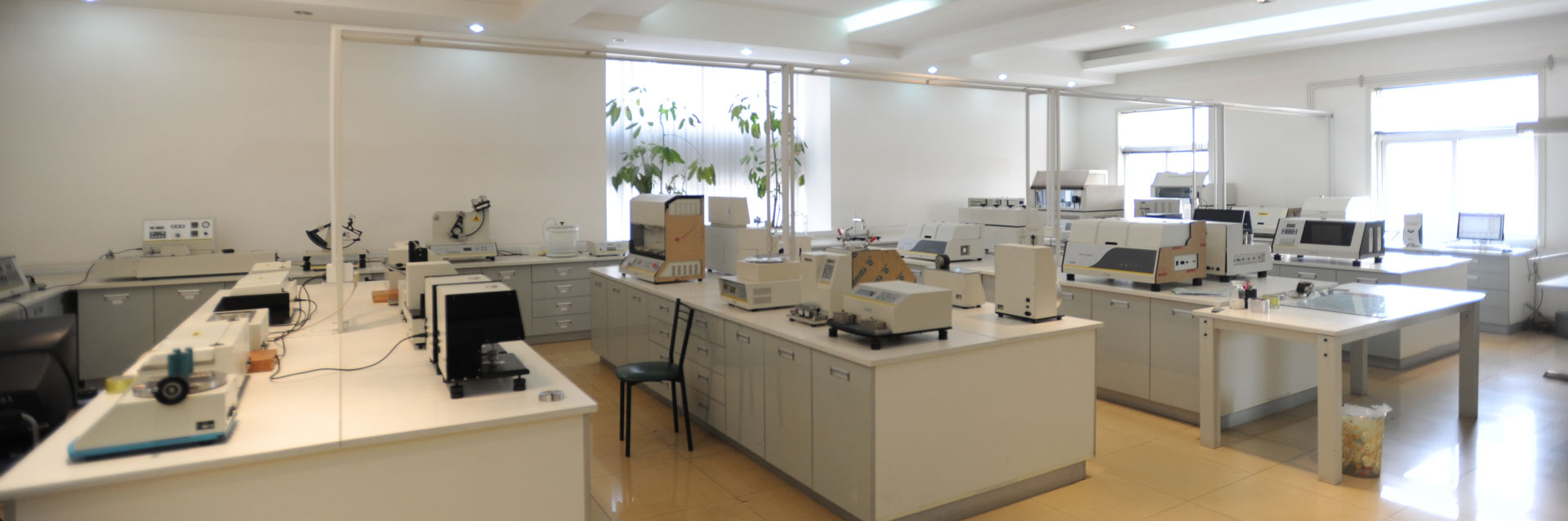
Link Testing has specialized in the research, development, and manufacturing of packaging testing instruments. To address the challenges associated with micro-leakage detection in the food industry, we have introduced the Micro-Leakage Sealing Test Instrument. This equipment employs the vacuum attenuation non-destructive testing principle; it requires no water immersion and does not damage the test samples. The entire testing process operates automatically, completing sample testing within 10 minutes, accurately identifying trace leaks while outputting quantitative data—effectively overcoming the limitations of traditional testing methods, such as insufficient precision and high false-negative rates. The instrument offers broad compatibility, capable of testing a wide range of mainstream food packaging types—including aluminum foil composite bags, flexible plastic packaging, embossed boxes, and sealed plastic containers—and is suitable for various applications, including random sampling on production lines and batch testing in laboratory settings.
Compared with traditional testing solutions, the Zhongke Micro-Leakage Sealing Tester offers significant advantages. First, it employs a non-destructive testing mode, ensuring that the samples remain intact after testing; this allows for sample retention and archiving, as well as secondary verification, thereby reducing the consumption of samples and consumables by enterprises. Second, it is equipped with an intelligent control system that automatically collects data and generates test reports, eliminating errors introduced by manual judgment. Third, all testing records are automatically stored, facilitating enterprises in establishing comprehensive quality inspection logs and enabling them to effectively respond to customer factory audits and market random inspections. Fourth, it supports continuous batch testing, which enhances the work efficiency of quality inspection personnel and meets the routine quality control requirements of manufacturing facilities.
Currently, this instrument has been deployed in numerous food processing plants and packaging manufacturing enterprises, helping factories screen for products with sealing defects in advance and effectively reducing post-sale disputes. Link Testing not only provides hardware equipment but also offers integrated services tailored to each enterprise's product categories, including customized quality inspection solutions, operator training, and instrument calibration guidance. As regulatory standards in the food industry continue to tighten, precise and reliable packaging inspection capabilities have become the foundation for enterprises to maintain product quality and enhance their market competitiveness. If your enterprise has long struggled with packaging leakage issues and wishes to upgrade its quality inspection system, please contact us to obtain a tailored packaging sealing inspection solution.
For more details please visit www.linktesting.org
Response within 24 hours · Factory-direct quotation · ASTM / ISO compliant