Transparent heat-shrink film is commonly used for the secondary wrapping of ready-to-eat meat products to ensure a snug fit, enhance visual appeal, prevent the product from coming apart, and provide a surface for brand printing. However, if the film's shrinkage characteristics do not align with the product's shape or the parameters of the production line's heat tunnel, issues such as wrinkles, film breakage, localized overheating that damages the product surface, or incomplete shrinkage—which detracts from the product's appearance—can arise. A major meat processing enterprise encountered challenges regarding inconsistent packaging yields when introducing a fully automated heat-shrink packaging line for its newly launched square-shaped sliced ham product.
I. Specific Issue: Yield Fluctuations in Square-Profile Ham Sausage Packaging
The enterprise's new production line is designed to arrange six square-profile ham sausages into a rectangular array, automatically wrap them in film, and pass them through a heat-shrink tunnel. During initial trial production, the yield of finished packages hovered around only 85%. Defects fell into three main categories: 1) noticeable longitudinal or diagonal wrinkles on the package surface; 2) excessive film shrinkage at the sausage corners, causing localized thinning, whitening, or even tearing; and 3) incomplete shrinkage at the package bottom, resulting in loose film. Although the equipment supplier repeatedly adjusted hot air temperature, airflow velocity, and conveyor speed, improvements were limited, and addressing one issue often exacerbated another. Packaging engineers suspected the root cause lay in the shrinkage characteristics of the selected three-layer co-extruded polyolefin shrink film—specifically, its unsuitability for the geometric structure of square products—but they lacked the data to prove this or to guide the selection of a new film material.
II. Film Material Performance Diagnosis and Selection Using the LTRSY-03Heat Shrink Tester
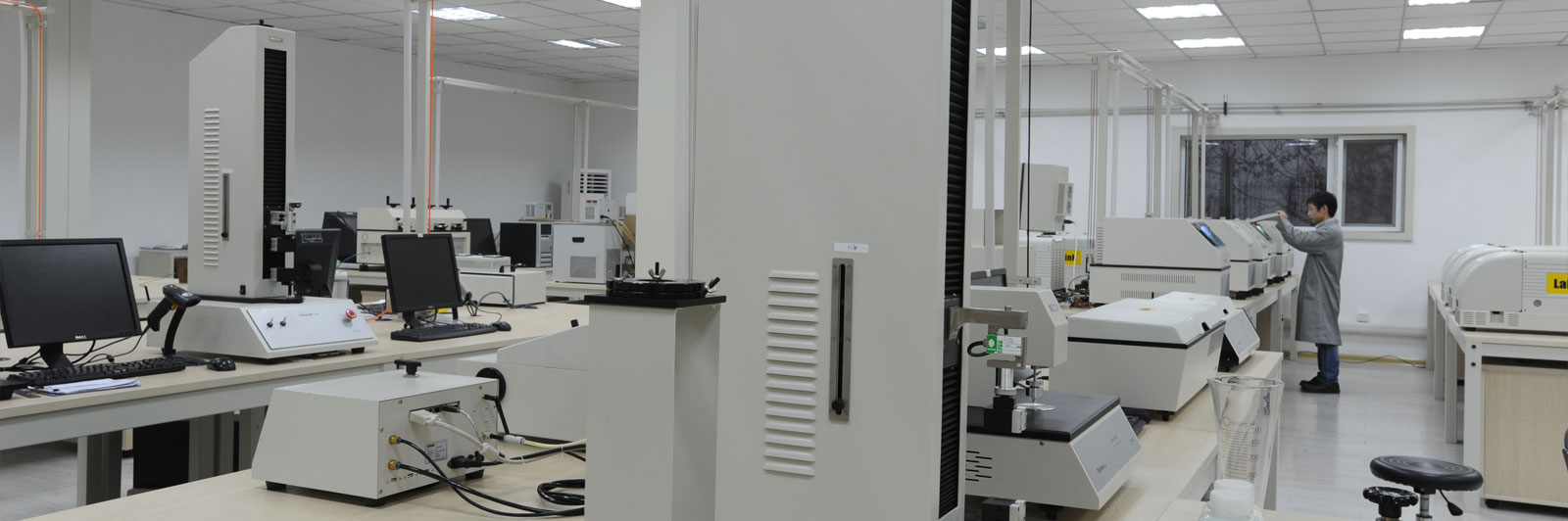
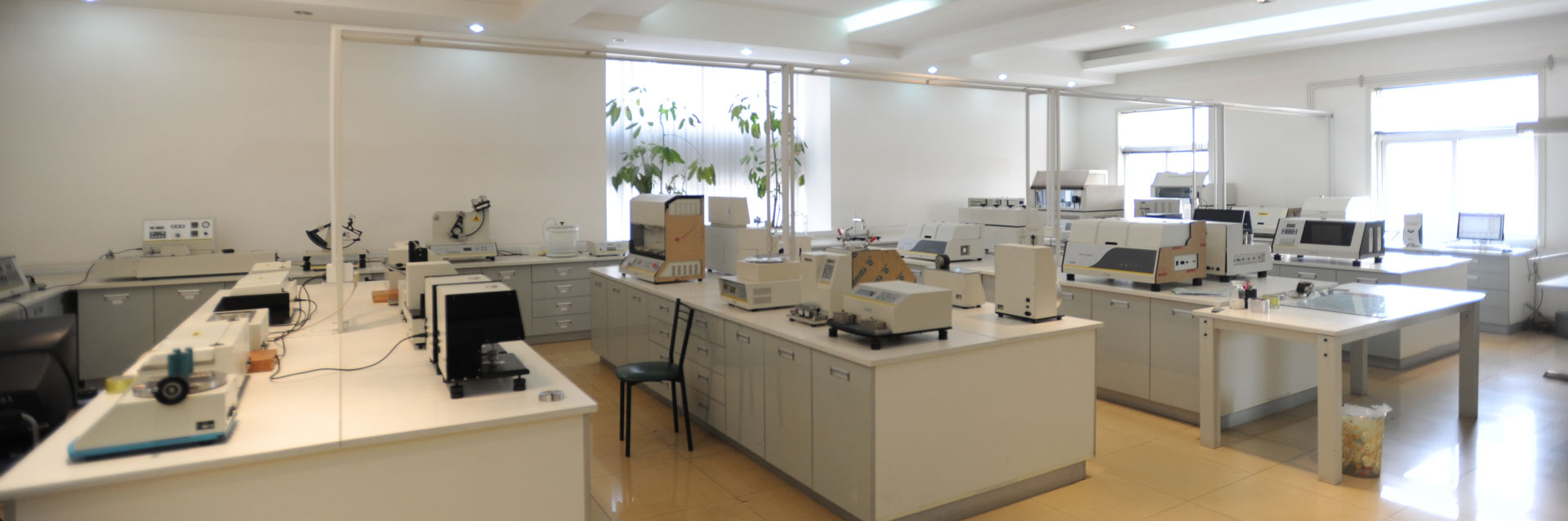
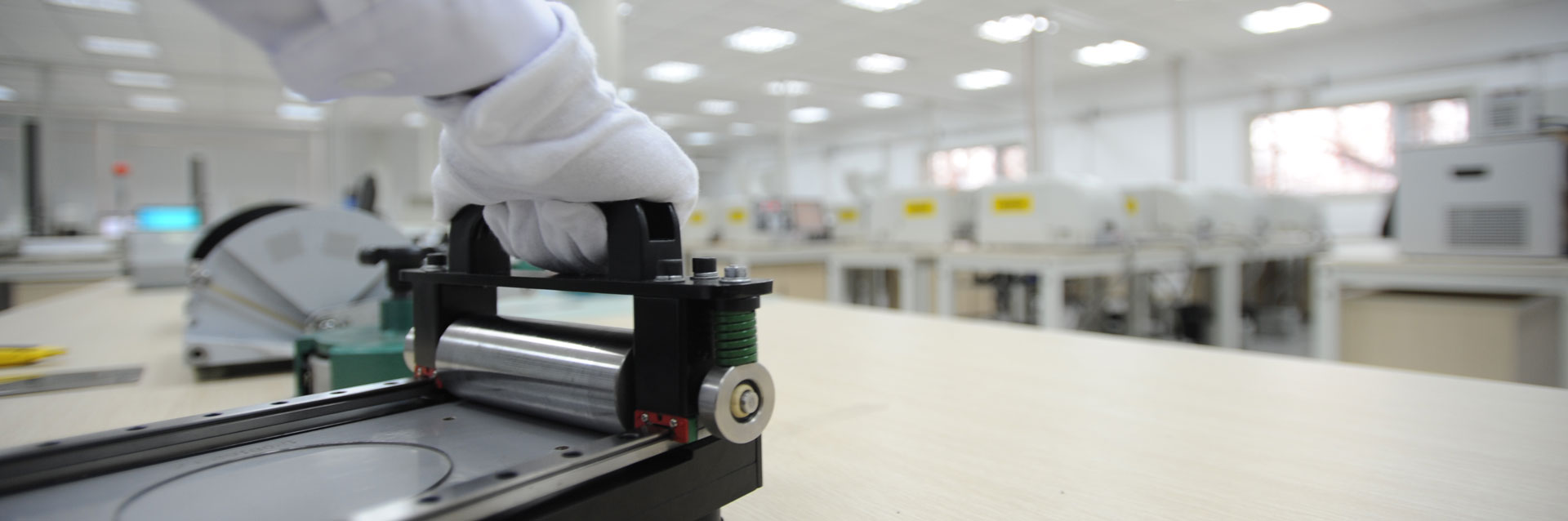
The enterprise's technical center utilized the LTRSY-03 Heat Shrink Tester to conduct a systematic quantitative analysis of the shrinkage performance of the current film and several candidate materials. By using a liquid heating medium to simulate a uniform heating environment, they eliminated variables associated with uneven hot air distribution on the production line.
Test Method: Specimens were cut from the current film roll (designated M-Current) in both the transverse direction (TD, perpendicular to the roll direction) and the machine direction (MD). Using the LTRSY-03, a series of temperature points (110°C, 120°C, 130°C, and 140°C) were set; specimens were immersed in silicone oil for 10 seconds of heating followed by rapid cooling. Dimensions were precisely measured before and after heating to calculate the shrinkage rates in both MD and TD, as well as the ratio between the two (TD/MD shrinkage ratio).
Key data findings:
At 130°C (close to the actual effective temperature on the production line), the M-Current film exhibited a transverse direction (TD) shrinkage of 55% and a machine direction (MD) shrinkage of only 18%, resulting in a high TD/MD shrinkage ratio of 3.06.
Further observation revealed that the film's shrinkage became extremely rapid and intense once the temperature exceeded 120°C.
Analysis of the issue: The excessively high transverse shrinkage rate and asymmetric shrinkage ratio were the direct causes of the packaging problems. When wrapping square products, the excessive transverse shrinkage force subjected the film to immense stress at the corners, leading to whitening or tearing; meanwhile, insufficient longitudinal shrinkage force failed to effectively tighten the bottom, and the violent shrinkage process—being highly sensitive to temperature fluctuations—was prone to causing random wrinkling.
Test method: Three types of shrink films nominally suitable for "heavy, irregularly shaped products" (designated M-A, M-B, and M-C) were procured. Identical shrinkage tests across multiple temperature points were conducted using the LTRSY-03 tester.
Data findings:
Film M-A: At 130°C, TD shrinkage was 45% and MD shrinkage was 25%, yielding a TD/MD shrinkage ratio of 1.8. The shrinkage process was relatively gradual.
Film M-B: At 130°C, TD shrinkage was 48% and MD shrinkage was 30%, yielding a TD/MD shrinkage ratio of 1.6. While its shrinkage onset temperature was slightly lower, the rate of change remained gradual within the 125–135°C range.
Film M-C: Performance was similar to the film currently in use, showing significant asymmetry (TD/MD ratio > 2.5). Theoretical Advantage: In terms of shrinkage characteristics, the M-B film exhibits a more balanced transverse-to-longitudinal shrinkage ratio and a stable shrinkage process; theoretically, it adapts better to the geometry of square products, applying shrinkage force uniformly.
Innovative Testing: To more realistically simulate how the film is constrained by the product during actual packaging, the laboratory designed a simple fixture. Film samples were pre-wrapped around a square wooden block (simulating a product array) with both ends secured, and the entire assembly was then immersed in the LTRSY-03’s silicone oil bath and heated to 130°C.
Observations and Validation:
When using the M-Current film, the film at the corners of the wooden block was noticeably thinned and showed stress-induced whitening marks, consistent with phenomena observed on the production line.
When using the M-B film, the film adhered uniformly to all surfaces of the wooden block, covered the corners well, and showed no signs of significant stress concentration. After cooling, the film remained smooth against the block's surface.
III. Data-Driven Process Adjustment and Standard Establishment
Based on the clear data provided by the LTRSY-03, the enterprise collaborated with the equipment supplier to implement systematic improvements:
Replacing the Core Film Material: The company decisively switched from the current M-Current film to the M-B film. The procurement department adopted key performance data from the LTRSY-03 test report (TD: 48±3%, MD: 30±3% at 130°C) as the new technical standard for purchasing.
Optimizing Production Line Parameters: Because the M-B film has milder shrinkage characteristics, equipment engineers were able to lower the heat-shrink tunnel temperature setting—moving away from a high-temperature range with significant fluctuations—to a narrower, more efficient range (e.g., 125–128°C). Airflow speeds were also reduced accordingly, lowering energy consumption and the risk of overheating the product surface. Establishment of incoming inspection standards for film materials: The Quality Department incorporated the LTRSY-03 shrinkage test as a mandatory inspection item for every batch of shrink film. Testing is specified to be conducted in a 130°C silicone oil medium; the TD and MD shrinkage rates must fall within the new standard ranges, and the TD/MD shrinkage ratio must be between 1.4 and 1.8, thereby ensuring material performance consistency at the source.
VI. Implementation Results and Extended Value
Following the replacement of the film material and process adjustments, the packaging first-pass yield on the new production line steadily rose to over 98.5%, and the three primary categories of defects were virtually eliminated. Furthermore, the widened process window increased the production line's tolerance for minor temperature fluctuations, resulting in more stable operation.
For more details please visit www.linktesting.org
Response within 24 hours · Factory-direct quotation · ASTM / ISO compliant