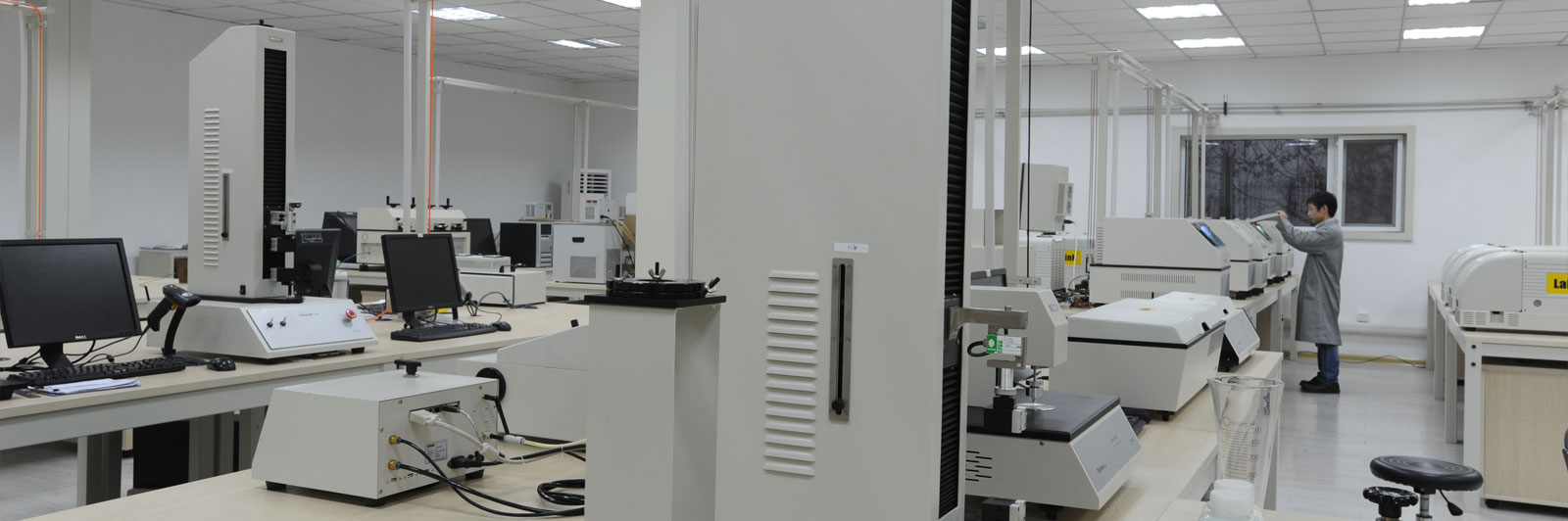
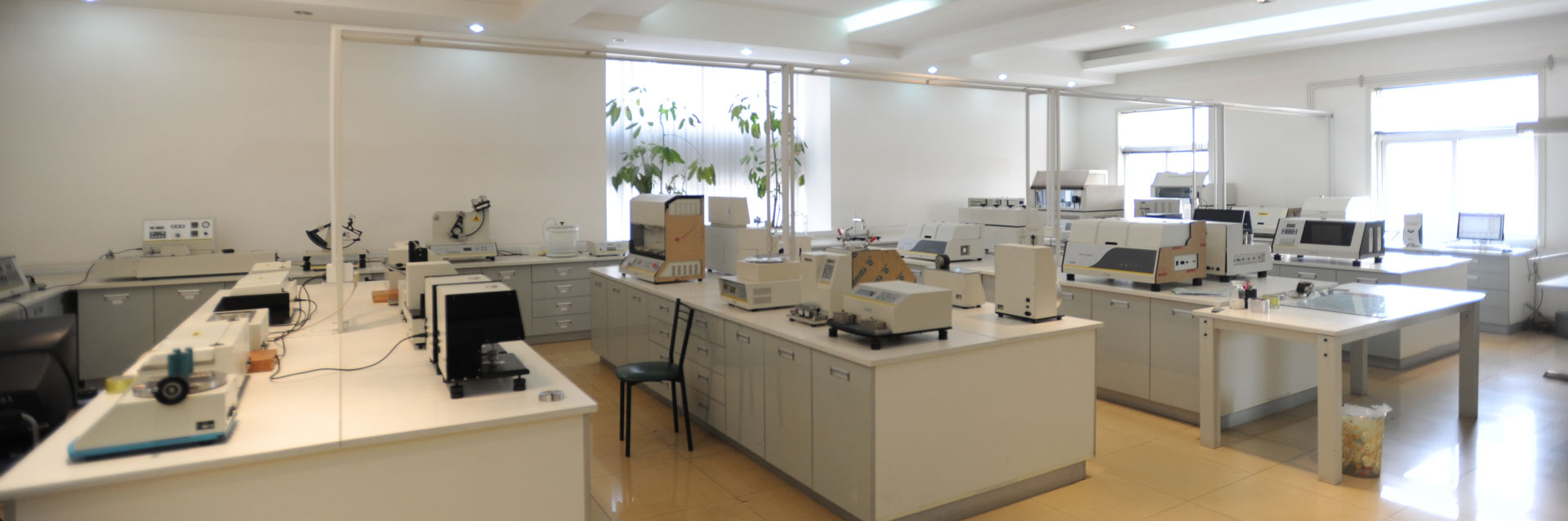

The 15mm thickened vacuum chamber stands as the core highlight of the LTY-01 leak tester. It not only resolves the common pain points associated with traditional leak testers—specifically, insufficient pressure resistance and short service life—but also enhances testing precision and safety.

In accordance with the GB/T 17876-2010 standard, *Packaging Containers—Torque Requirements and Test Methods for Bottle Caps*, testing must be conducted using specialized equipment.
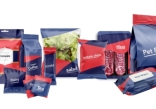
To systematically identify and resolve packaging rupture issues, it is recommended that enterprises equip themselves with the following testing instruments:

By implementing scientific and standardized testing procedures, manufacturers can effectively ensure the mechanical integrity of pharmaceutical-grade PVC rigid sheets, thereby providing a fundamental safeguard for drug safety.
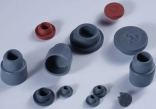
Its testing methodology simulates clinical scenarios involving needle puncture for drug administration, thereby verifying the rubber closure's ability to restore its seal integrity following puncture.

By strictly adhering to the QB/T 1130-1991 standard, the tear resistance of greenhouse films can be effectively evaluated, thereby providing a reliable basis for material selection in agricultural production.
Truly excellent enterprises do not choose one standard to the exclusion of the other; rather, they foster synergy between the two: leveraging the depth of ASTM to provide a scientific foundation for the breadth of GB, and utilizing the efficiency of GB to translate the insights gained from ASTM into daily operational practice.

For pharmaceutical testing institutions, the solution for detecting pinholes in pharmaceutical aluminum foil is essentially a quality evaluation system based on precision instruments, centered on strict standards, and guaranteed by standardized operations.

Link Testing offers comprehensive solutions for testing the physical properties of pharmaceutical PVC rigid sheets. Our intelligent electronic tensile testing machines, heat seal testers, thickness gauges, and other equipment meet YBB, GB, and pharmacopoeia standards, enabling precise measurement of tensile, heat-sealing, and peel properties.

The calibration of a sealing tester is never just about adjusting the instrument; it's about safeguarding the lifeline of quality.

The residual oxygen (O₂) content inside the packaging is a key indicator of process effectiveness and directly determines whether the product remains stable within its shelf life. The following case study demonstrates how a dairy company used a headspace gas analyzer to address packaging quality issues encountered during the initial launch of a new product.

Method for Determining the Internal Pressure Resistance of Glass Containers," systematically revises the testing methods for the internal pressure resistance of pharmaceutical glass bottles defines two main technical approaches: the constant pressure method (Method 1) and the constant rate pressure increase method